
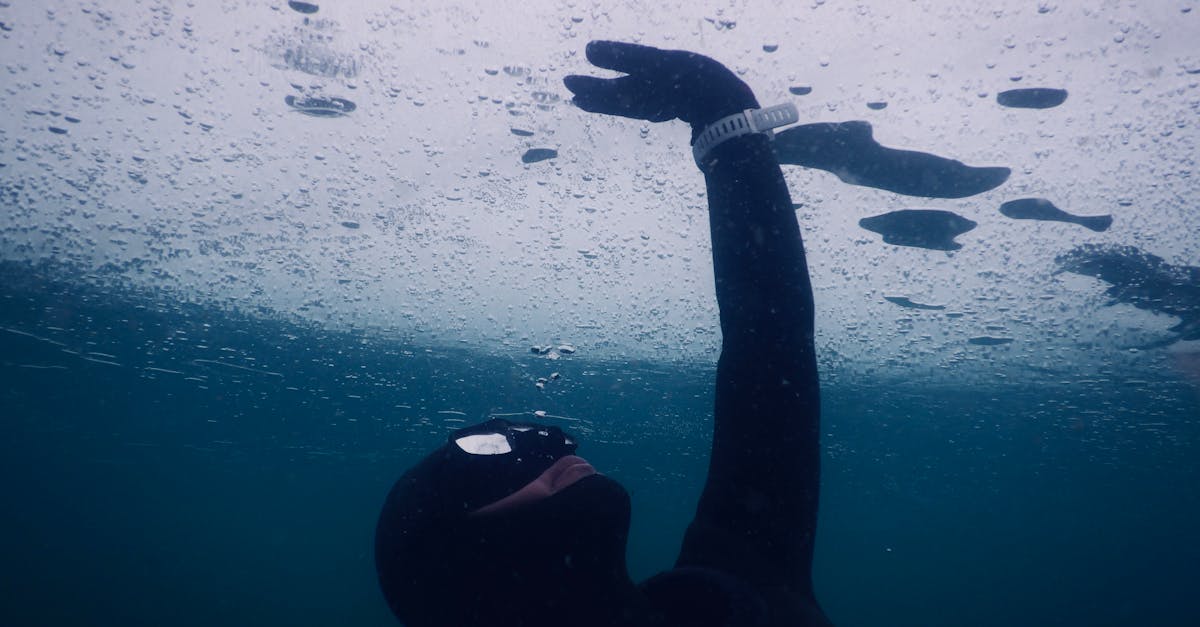
If you’re considering cold water immersion after workouts, the evidence shows it may reduce muscle soreness by 1 to 1.5 points on a 10-point scale—a modest benefit that varies widely by individual. But cold water therapy carries real cardiovascular risks for certain people and can actually impair muscle-building adaptations if timed poorly around strength training.
What the research actually shows about recovery
The most comprehensive evidence comes from meta-analyses examining multiple studies. A 2012 British Journal of Sports Medicine analysis of 17 studies found that cold water immersion produces small to moderate reductions in delayed-onset muscle soreness (DOMS) 24 to 72 hours after exercise. The effect size translates to roughly 1 to 1.5 points less soreness on a typical 10-point pain scale.
That’s a real reduction, but it’s important to understand what it doesn’t mean. Cold water immersion reduces the sensation of soreness and certain inflammatory markers in blood tests, but evidence is weak that it speeds your actual return to baseline performance. Feeling less sore is not the same as recovering faster for your next workout.
More concerning for anyone focused on building strength: research published in the Journal of Physiology found that cold water immersion immediately after resistance training can suppress the cellular signals that drive muscle protein synthesis. Over weeks of training, this translated to smaller gains in muscle mass and strength compared to passive recovery.
How cold water affects your body
When you immerse yourself in cold water, your body triggers an immediate cold-shock response. Within 30 seconds, your heart rate spikes and blood pressure rises significantly, and your body releases a surge of stress hormones. Blood vessels in your limbs constrict, redirecting blood flow to your core organs.
This is followed by the diving reflex—your heart rate slows back down (bradycardia) while blood vessel constriction continues. These responses normalize relatively quickly in people who use cold water regularly, but they happen every time, even in accustomed users.
The cold itself acts as an analgesic, temporarily numbing nerve endings and reducing the transmission of pain signals. Cold also slows metabolic processes and may limit secondary tissue damage after intense exercise. But here’s the trade-off: the same cooling that reduces inflammation also appears to dampen the anabolic signaling your muscles need for adaptation and growth.
Who should not use cold water immersion
If you have uncontrolled high blood pressure or any form of cardiovascular disease, cold water immersion is contraindicated. The immediate spike in blood pressure and heart rate creates real risk of cardiac arrhythmia, heart attack, or stroke. Research on autonomic conflict describes how sudden cold immersion triggers competing signals in your nervous system that can destabilize heart rhythm in people with existing heart conditions.
Other absolute contraindications include Raynaud’s phenomenon (where your fingers and toes constrict excessively in response to cold), severe anemia, bleeding disorders, and pregnancy.
If you’re over 60 with multiple health conditions, have a history of cold hypersensitivity, or are trying cold water immersion for the first time, the cardiovascular stress response can be exaggerated. Medical clearance is appropriate before starting. For people with cardiovascular concerns, active recovery like walking remains a safer approach than cold water.
Even if you’re healthy, timing matters. Using cold water immediately after hard strength training sessions may blunt the adaptations you’re working for. If you’re pursuing strength-building or any hypertrophy-focused program, consider whether feeling less sore tomorrow is worth potentially smaller gains over months.
Evidence-based protocols if you do use it

Most research uses water temperatures between 10°C and 15°C (50°F to 59°F) for 10 to 15 minutes. Going colder doesn’t appear to increase recovery benefits but does increase cardiovascular stress and the risk of cold shock.
The typical single-immersion protocol: 10 to 15 minutes in 50°F to 60°F water, immersed up to your waist or chest. Some studies use repeated cycles—1 to 3 minutes in cold water alternating with 2 to 3 minutes of passive recovery—but evidence doesn’t clearly show this is superior to a single sustained immersion.
If you use cold water regularly, limit frequency to every 24 to 48 hours. Daily immersion increases cumulative cardiovascular stress without added recovery benefit.
For first-time users, start with partial immersion (legs only) rather than sudden full-body submersion. The cold-shock response can cause involuntary gasping, which carries aspiration risk if your head goes under.
Cold water immersion may be most appropriate after endurance training or when heat stress is a factor—think long runs in warm weather—rather than after sessions where you’re trying to maximize strength or muscle gains. Recovery methods using other modalities carry lower cardiovascular risk for most people and can be used more flexibly around training.
Why some people respond and others don’t
Individual variation in cold water immersion responses is substantial. Some people report large reductions in soreness; others notice little difference. This isn’t just placebo effect, though that likely plays a role.
Your baseline fitness level matters. Trained athletes tend to tolerate cold water better and show different inflammatory responses than untrained individuals. Age is a factor—younger people typically show larger DOMS reductions. Body composition affects how quickly you feel cold; leaner individuals with less subcutaneous fat feel temperature changes more acutely.
Acclimatization is real. Repeated exposure over weeks reduces subjective discomfort and dampens the cardiovascular reactivity. But that adaptation is specific to the cold stress itself, not necessarily to recovery benefits.
Genetic variation in inflammatory responses, pain perception, and temperature regulation means cold water therapy is genuinely more useful for some people than others. If you’ve tried it multiple times with careful protocols and notice no benefit, you may be a non-responder—and that’s a legitimate physiological reality, not a failure of technique.
FAQ
Does cold water immersion reduce muscle soreness?
Yes, but modestly. Meta-analyses show a reduction of 1 to 1.5 points on a 10-point soreness scale 24 to 72 hours after exercise. The effect is real but variable—not everyone responds equally.
What temperature should cold water be for recovery?
Evidence-based protocols use 10°C to 15°C (50°F to 59°F). Colder water increases cardiovascular stress without clear additional recovery benefit.
How long should you stay in cold water after exercise?
Ten to 15 minutes is the standard duration in research. Longer immersion doesn’t appear to increase benefit and may increase cold-stress risks.
Can cold water immersion improve athletic performance?
Evidence is weak that cold water immersion improves performance in your next workout within 24 to 48 hours. It may reduce how sore you feel, but that’s not the same as recovering faster functionally.
Is cold water immersion safe for everyone?
No. It’s contraindicated for people with uncontrolled high blood pressure, cardiovascular disease, Raynaud’s phenomenon, and during pregnancy. The immediate spike in blood pressure and heart rate creates real risk for these populations.
Cold water immersion is one recovery method among many—not a universal solution. If you choose to use it, understand both what the evidence supports (modest subjective soreness reduction) and what it doesn’t (guaranteed faster recovery or performance gains), and weigh that against the cardiovascular stress and potential to impair strength adaptations. For many people, lower-risk alternatives like active recovery, adequate sleep, and nutrition provide comparable or better outcomes.
This article is for general information only and not a substitute for professional medical advice. If you have cardiovascular concerns or other health conditions, consult your healthcare provider before trying cold water immersion.