

The research is clear: high intake of added sugars—the kind in soda, candy, and sweetened baked goods—consistently raises measurable inflammatory markers in the bloodstream. But the dose matters, the source matters, and your own metabolic health shapes how your body responds.
The short answer
Yes, added sugars consumed in significant amounts are associated with elevated inflammatory markers such as C-reactive protein (CRP), interleukin-6 (IL-6), and tumor necrosis factor-alpha (TNF-α). However, sugar from whole foods like fruit—which comes packaged with fiber and antioxidants—does not produce the same inflammatory response. The effect is dose-dependent, context-dependent, and varies by individual.
Quantitative thresholds: how much is too much
The World Health Organization recommends limiting free sugars to less than 10% of total daily calorie intake—for a 2,000-calorie diet, that’s under 50 grams per day. The American Heart Association sets tighter targets: no more than 25 grams (6 teaspoons) of added sugar daily for women and 36 grams (9 teaspoons) for men.
These aren’t arbitrary numbers. They represent intake levels below which inflammatory markers, cardiovascular risk, and metabolic dysfunction begin to decline measurably. Most Americans consume well above these thresholds, which is why population-level reductions in added sugar intake are a public health priority.
What we mean by inflammation in this context
When we talk about sugar and inflammation, we’re not talking about the acute inflammation you see when you twist an ankle—redness, swelling, heat. That’s your immune system doing its job. The concern with sugar is chronic, low-grade systemic inflammation, a state where inflammatory signaling molecules circulate at persistently elevated levels without a specific injury or infection to resolve.
This type of inflammation is measured through blood markers: CRP (C-reactive protein) is the most common, along with cytokines like IL-6 and TNF-α. A CRP level below 1 mg/L is considered low risk; above 3 mg/L indicates elevated inflammation and is associated with higher cardiovascular and metabolic disease risk.
Chronic systemic inflammation doesn’t announce itself with symptoms. It’s detected through lab work, and it correlates with insulin resistance, obesity, type 2 diabetes, and cardiovascular disease. Sugar intake is one contributor to this state—but not the only one.
How sugar drives inflammation: the mechanisms
Sugar doesn’t just “trigger” inflammation through some vague pathway. The mechanisms are specific and measurable.
Oxidative stress and inflammasome activation
When blood glucose spikes rapidly—as it does after consuming refined sugars—mitochondria produce excess reactive oxygen species (ROS). These ROS activate a protein complex called the NLRP3 inflammasome, which in turn releases inflammatory cytokines IL-1β and IL-18. This is one of the earliest steps in the sugar-to-inflammation cascade, and it happens within hours of a high-sugar meal.
Insulin resistance and inflammatory signaling
Repeated high sugar intake leads to persistently elevated insulin levels. Over time, this impairs a signaling pathway involving IκB kinase (IKK-β), which then activates NF-κB—a master regulator of inflammatory gene expression. The result: your cells start producing more inflammatory cytokines even at rest.
Gut dysbiosis and metabolic endotoxemia
High-sugar diets shift the gut microbiota toward bacteria that produce lipopolysaccharide (LPS), a component of bacterial cell walls. When intestinal permeability increases—sometimes called “leaky gut”—LPS enters the bloodstream, triggering a systemic inflammatory response. This process, called metabolic endotoxemia, is now recognized as a key link between diet and chronic inflammation.
Advanced glycation end products (AGEs)
Chronic high blood sugar causes glucose to bind irreversibly to proteins in a process called glycation. The resulting AGEs accumulate in tissues and bind to receptors (RAGE) on immune cells, driving further inflammatory signaling and vascular damage.
Fructose vs. glucose: not all sugars behave identically
Not all sugars behave the same way. Fructose—whether from high-fructose corn syrup or table sugar (which is half fructose)—appears to drive a stronger inflammatory response than glucose at equivalent calorie intakes. Research shows that participants consuming substantial amounts of fructose had greater increases in inflammatory markers and liver fat compared to those consuming equivalent amounts of glucose.
The mechanism: fructose is metabolized almost entirely in the liver, where excess fructose is converted to fat, generating oxidative stress and inflammatory signaling. Glucose, by contrast, is used by cells throughout the body.
Liquid vs. solid sources
Sugar consumed in beverages—soda, sweetened coffee drinks, fruit juice—produces a sharper glycemic and inflammatory response than the same amount of sugar in solid food. Liquids are absorbed faster, lack the chewing-related satiety signals, and typically come without fiber or other nutrients that slow digestion.
The whole-food exception: why fruit sugar is different

Here’s the nuance many articles miss: sugar in whole fruit does not produce the inflammatory response seen with refined sugars. In fact, higher whole fruit intake is associated with lower levels of CRP and other inflammatory markers.
Research tracking thousands of participants over years found an inverse relationship between whole fruit consumption and CRP—the more whole fruit people ate, the lower their inflammatory markers tended to be.
Why the difference? Whole fruit delivers sugar alongside fiber, which slows glucose absorption and blunts the glycemic spike. Fruit also contains polyphenols and other antioxidants that may actively counter oxidative stress. A medium apple contains about 19 grams of sugar but also 4 grams of fiber and a suite of phytonutrients. Apple juice, by contrast, contains roughly 30 grams of sugar, zero fiber, and minimal polyphenols—it behaves metabolically like soda.
This distinction matters: avoiding fruit because “it has sugar” is not supported by the inflammatory evidence. The problem is added sugars in processed foods and drinks, not the naturally occurring sugars in whole foods.
Individual variation: why metabolic state shapes your response
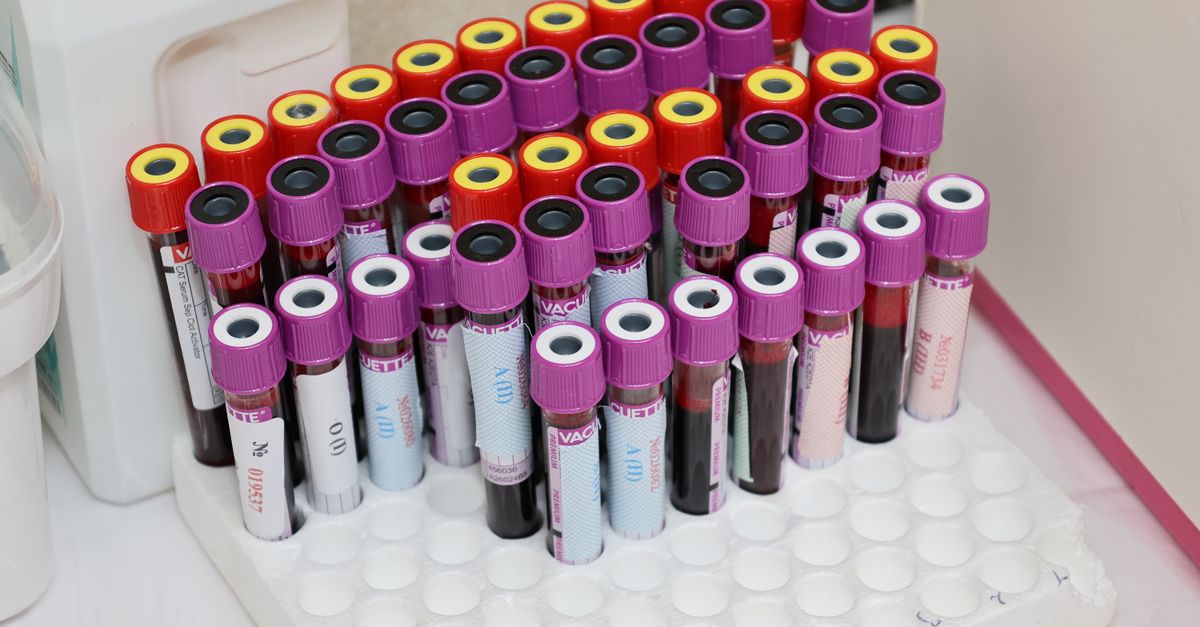
The relationship between sugar and inflammation is not one-size-fits-all. Your body’s response depends critically on your current metabolic state.
Body weight and insulin sensitivity: the strongest predictor
People who are overweight, insulin-resistant, or have metabolic syndrome show a substantially greater inflammatory response to sugar compared to lean, insulin-sensitive individuals. If you already have markers of metabolic syndrome—defined by high blood pressure, elevated triglycerides, low HDL cholesterol, high fasting glucose, or abdominal obesity—your inflammatory response to the same sugar intake will be amplified compared to someone metabolically healthy.
This means the same 50-gram sugar load produces different inflammatory consequences depending on your starting point. In someone with insulin resistance, that sugar drives a sharp rise in inflammatory cytokines; in a lean, active person with normal insulin sensitivity, the response is measurable but substantially muted. The inflammatory harm of sugar is not evenly distributed—it concentrates in those already metabolically vulnerable.
Physical activity
Regular aerobic exercise—at least 150 minutes per week, per CDC guidelines—is associated with significantly lower baseline inflammatory markers, even if sugar intake remains moderate. Exercise improves insulin sensitivity and alters how the body processes glucose, buffering some of the inflammatory effects of dietary sugar.
Fiber intake
Concurrent fiber intake—generally recommended at 25–30 grams per day—dampens the inflammatory response to sugar. Fiber slows carbohydrate absorption, feeds beneficial gut bacteria, and reduces LPS production in the gut. If you eat a high-sugar food alongside high-fiber foods, the net glycemic and inflammatory impact is lower than if you ate the sugar in isolation.
Genetics and microbiota
Genetic variation in inflammatory signaling genes (such as IL-6 promoter polymorphisms) means some people produce more inflammatory cytokines in response to the same sugar load. Similarly, your gut microbiota composition—shaped by long-term diet, antibiotic history, and other factors—determines how much LPS your gut produces and how permeable your intestinal lining is.
Age and sex
Older adults tend to show more pronounced changes in inflammatory markers from high sugar intake. Women may show stronger IL-6 responses to glucose challenges, though this varies with hormonal status.
The reversibility timeline: how quickly can inflammation improve?
One of the most motivating findings in the literature: inflammatory markers begin to drop relatively quickly when added sugar intake is reduced consistently.
Studies show that CRP and other inflammatory markers demonstrate measurable improvement within 4 to 8 weeks when participants lower their added sugar intake to recommended levels and maintain that reduction. The decline is more pronounced in people who start with elevated markers—those with existing insulin resistance or metabolic syndrome see sharper improvements than metabolically healthy individuals.
This reversibility window means you don’t need years to see a metabolic benefit. Sustained reduction in added sugar intake produces lab-measurable changes within two months, and those changes track with reduced cardiovascular and metabolic risk. The timeline varies by individual based on starting weight, activity level, and overall diet quality, but the general pattern holds: lower sugar consistently, and inflammatory markers start to fall within weeks, not months or years.
What lowering sugar alone will—and won’t—do for inflammation
Reducing added sugar intake is associated with measurable improvements in inflammatory markers over time. However, sugar reduction is not a standalone solution. Inflammation is multifactorial. Sedentary behavior, excess body weight, low fiber intake, inadequate sleep, chronic stress, and high intake of omega-6 fats relative to omega-3s all contribute to systemic inflammation. Addressing sugar alone while ignoring these other factors will produce modest improvements at best.
The most effective approach combines sugar reduction with:
- Increased fiber intake (from vegetables, legumes, whole grains, and fruit)—fiber is consistently associated with lower inflammatory markers
- Regular physical activity—exercise independently reduces inflammation even if diet remains imperfect
- Weight loss if overweight—even modest weight reductions are associated with meaningful improvements in inflammatory markers
- Improved omega-3 to omega-6 ratio—more fatty fish, walnuts, flaxseed; less refined seed oils
For more on how fiber interacts with metabolic health, see more on does meal timing affect digestion and sleep?. If you’re looking to stabilize energy and avoid the glucose spikes that drive inflammation, Best Foods for Sustained Energy Throughout Your Day offers practical food swaps.
The interesting wrinkle: inflammatory markers alone don’t predict individual outcomes
Here’s something most articles skip: elevated CRP and other inflammatory markers are statistically associated with disease risk at the population level, but they are not reliable diagnostic tools for individuals.
Large-scale research found that while CRP correlates with cardiovascular risk across large groups, it adds little predictive value for any single person once you account for traditional risk factors like blood pressure, cholesterol, and smoking status. In other words, knowing your CRP is elevated tells you that you’re part of a higher-risk group on average, but it doesn’t tell you what will happen to you specifically.
This matters because “lowering inflammation” has become a wellness buzzword, sometimes divorced from meaningful health outcomes. Reducing added sugar is a worthwhile goal for metabolic health, but it’s not the same as preventing disease in a direct, guaranteed way. Context and totality of diet and lifestyle matter more than any single marker.
FAQ
Does natural sugar cause inflammation the same way as refined sugar?
No. Refined sugars and high-fructose corn syrup spike blood glucose rapidly and lack the fiber, polyphenols, and micronutrients that buffer the glycemic impact. Whole fruits deliver sugar alongside fiber and antioxidants; prospective studies show whole fruit intake is inversely associated with inflammatory markers—the more fruit, the lower the CRP.
How much sugar triggers an inflammatory response?
The effect is dose-dependent and varies by individual. The WHO recommends limiting free sugars to under 10% of daily calories (roughly 50g for a 2,000-calorie diet), and the American Heart Association recommends under 25g daily for women and 36g for men. Effects are strongest in people with existing insulin resistance or metabolic syndrome and muted in lean, active individuals.
Are all inflammatory foods the same?
Not exactly. Some foods—like refined carbohydrates and certain seed oils high in omega-6 fatty acids—are correlated with higher inflammatory markers in observational studies. But correlation doesn’t always mean causation, and the context of your total diet matters more than any single food. “Inflammatory foods” is often shorthand for foods that are energy-dense, nutrient-poor, and associated with weight gain and poor metabolic health.
Can I lower inflammation just by cutting sugar?
Sugar reduction helps, but inflammation is multifactorial. You’ll see better results by also increasing fiber intake, staying physically active, getting adequate sleep, and managing body weight if needed. Combined interventions work more effectively than focusing on any single dietary change.
What if I’m lean and active—does sugar still cause inflammation in me?
The inflammatory response is less pronounced in lean, physically active individuals, but it’s still measurable. Regular exercise and healthy body weight reduce insulin resistance and improve how your body processes glucose, which dampens the inflammatory signal. However, the effect is not completely negated—high sugar intake still elevates markers compared to lower intake, even in metabolically healthy people.
The evidence linking added sugar to systemic inflammation is robust, but it’s also nuanced. The type of sugar, the dose, the food source, and your own metabolic context all shape the response. Whole fruit is not the problem; soda, candy, and sweetened processed foods are. Reducing added sugar intake is a meaningful step toward lowering chronic inflammation, and inflammatory markers begin to improve within 4 to 8 weeks of sustained reduction—but it works best as part of a broader pattern: more fiber, regular movement, adequate sleep, and attention to overall diet quality. For guidance on balancing sodium—a related factor in systemic inflammation—see How Sodium Intake Affects Your Heart Health.
If you have elevated inflammatory markers or metabolic concerns, this article is for general educational information only and not a substitute for professional medical advice. Consult your healthcare provider for personalized guidance and testing.