

You finish a hard workout, shower, eat, and collapse into bed feeling pleasantly tired. The next morning you wake up less sore than expected, maybe even energized. Meanwhile your friend who hit the gym just as hard but stayed up late scrolling feels wrecked for days. The difference isn’t just luck—it’s sleep.
The short answer
Sleep is when most muscle repair happens, and regular exercise improves sleep quality in return. Skimp on sleep and you measurably slow recovery; exercise consistently and you fall asleep faster and sleep more deeply.
Sleep is when your muscles actually rebuild
When you strength-train or run hard, you create microscopic tears in muscle fibers and deplete energy stores. The repair work—muscle protein synthesis, glycogen replenishment, inflammation management—happens primarily while you sleep, not while you’re awake (Dattilo et al., 2011, Sleep Medicine Reviews).
Most of this rebuilding occurs during deep non-REM sleep (stages 3 and 4), when growth hormone secretion peaks and your body prioritizes tissue repair over other metabolic demands. REM sleep also plays a role, particularly in cognitive recovery and motor skill consolidation, which matters if your workout included learning a new movement pattern (Xie et al., 2015, Frontiers in Neurology).
Sleep deprivation disrupts this process in measurable ways. One controlled study found that participants restricted to 5.5 hours of sleep per night lost 60% more lean body mass and 55% less fat during a calorie deficit compared to those sleeping 8.5 hours, despite identical diets and activity (Nedeltcheva et al., 2010, Annals of Internal Medicine). Another study showed that getting only 4 hours of sleep per night reduced strength gains by approximately 13% over a training period, even when training volume stayed the same (Knowles et al., 2018, Journal of Science and Medicine in Sport).
The commonly cited benchmark: adults need 7–9 hours per night for general health (CDC, 2024); athletes and people training hard often benefit from 8–10 hours to support the added recovery demand.
Exercise improves sleep in return
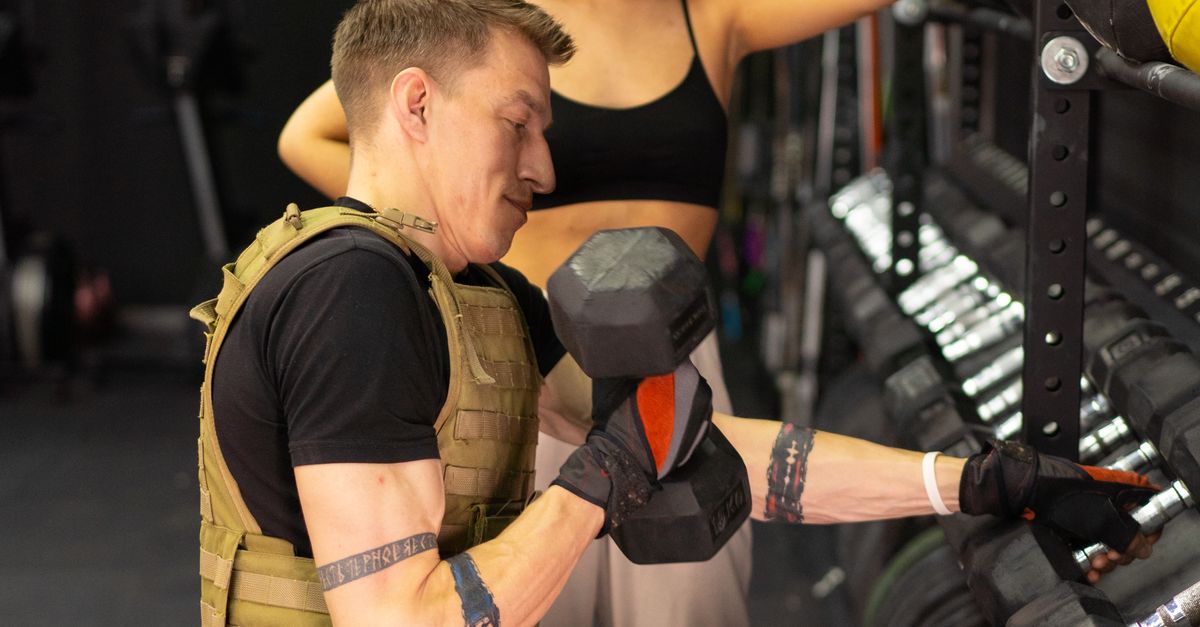
The relationship runs both ways. A 2015 meta-analysis of randomized controlled trials found that regular aerobic exercise reduced the time it took to fall asleep by an average of 10 minutes and increased total sleep time by roughly 15–20 minutes per night (Kredlow et al., 2015, Journal of Behavioral Medicine). Effects were strongest for people with existing sleep complaints, but even healthy sleepers saw modest improvements.
Moderate-intensity aerobic exercise—think brisk walking, cycling, swimming at a conversational pace—appears most reliably helpful. The minimum effective dose from guidelines: 150 minutes per week of moderate aerobic activity, or 75 minutes of vigorous activity (Physical Activity Guidelines, HHS 2018).
Resistance training also improves sleep quality, though the evidence base is smaller. One systematic review found that strength training 2–3 times per week modestly improved sleep quality scores, particularly in older adults (Kovacevic et al., 2018, Sports Medicine).
Timing matters—sometimes
Here’s where it gets individual. The old advice to avoid vigorous exercise within 2–3 hours of bedtime is based on the idea that exercise raises core body temperature and cortisol, both of which can delay sleep onset. That’s true for some people. A 2019 systematic review found that high-intensity exercise completed less than 1 hour before bed did slightly delay sleep onset in some studies (Stutz et al., 2019, Sports Medicine).
But many people—especially those who exercise regularly—show no sleep disruption from evening workouts, and some sleep better after late training sessions. Chronotype (whether you’re naturally a morning or evening person), workout intensity, and how adapted you are to exercise all play a role. If evening workouts don’t disrupt your sleep, there’s no evidence-based reason to avoid them.
Napping after a workout: helpful or hype?
Post-exercise naps are popular among athletes, but the evidence for napping after a workout specifically aiding muscle recovery is weak. Naps can reduce subjective fatigue and improve mood after a hard session, which is valuable (Lastella et al., 2018, Sleep Medicine Reviews), but there’s no solid data showing that a 20–90 minute nap triggers the same depth of muscle protein synthesis or hormonal recovery that overnight sleep does.
Naps work best as a supplement to adequate nighttime sleep, not a replacement. If you’re getting 7–9 hours at night and a short post-workout nap helps you feel better, fine. If you’re napping because you only slept 5 hours, the nap won’t make up the recovery deficit.
The one exception: if you’re doing two-a-day training (common in serious endurance or strength athletes), a nap between sessions can help manage fatigue and improve performance in the second workout (Waterhouse et al., 2007, International Journal of Sports Medicine). Even then, it’s a supplement, not a substitute.
What it means for your training
If you’re training hard and recovery feels slow—persistent soreness, stalled progress, low energy—your first check should be sleep duration and quality, not another supplement or recovery gadget. The research is clear: sleep for muscle recovery is non-negotiable.
Practical steps the evidence supports:
- Aim for 7–9 hours per night as a baseline; if you’re training intensely, lean toward 8–10.
- Keep a regular sleep schedule, even on weekends; circadian consistency improves sleep quality.
- If evening workouts disrupt your sleep, shift them earlier; if they don’t, there’s no need to.
- Don’t rely on post-workout naps to compensate for short nights.
For those balancing work, training, and life: partial sleep deprivation (6 hours vs. 8) won’t erase your gains, but it will slow them. Think of sleep as part of your training dose, not a luxury you add if time permits. If you have persistent sleep problems—trouble falling asleep, frequent waking, snoring with fatigue—see a doctor; those may signal a sleep disorder that affects both health and recovery. For more on how much sleep you actually need, see more on how much sleep do you actually need? the science behind sleep requirements.
FAQ
Does exercising late at night ruin your sleep?
Not for everyone. High-intensity exercise within 1 hour of bed can delay sleep onset in some people, but many regular exercisers sleep fine after evening workouts. If it doesn’t disrupt your sleep, there’s no reason to avoid it.
Can a nap replace lost sleep for muscle recovery?
No. Naps can reduce fatigue and improve mood, but they don’t trigger the same depth of muscle protein synthesis and hormonal recovery that overnight sleep does. Use naps as a supplement, not a substitute.
How much sleep do athletes need for full recovery?
Most athletes benefit from 8–10 hours per night, especially during heavy training blocks. The general adult recommendation of 7–9 hours is a baseline; added training load increases sleep need.
Does poor sleep actually slow muscle growth?
Yes. Studies show that restricting sleep to 5–6 hours per night reduces muscle protein synthesis, increases muscle protein breakdown, and can cut strength gains by 10–15% even when training stays the same.
Exercise and sleep form a reinforcing loop: train consistently and you’ll sleep better; sleep adequately and you’ll recover faster. Neither replaces the other. For more on when late-night habits interfere with sleep, see does caffeine timing affect sleep quality.
This article is for general information only and is not a substitute for professional medical advice, diagnosis, or treatment. If you have concerns about sleep or recovery, consult a healthcare provider.