
Pre-race coffee is ritual for many endurance athletes, and for good reason. Caffeine is one of the few legal ergogenic aids with solid evidence behind it—particularly for efforts lasting half an hour or longer. The catch: how much it helps depends on the type of exercise, the dose, your genetics, and whether your body has adapted to it.
The short answer
Does caffeine improve workouts? Yes, especially for endurance exercise like running, cycling, and rowing lasting 30 minutes or more. The effective dose is 3-6 mg per kilogram of body weight, taken 30-60 minutes before exercise. That’s roughly 210-420 mg for a 70 kg (154 lb) person—equivalent to 2-4 cups of strong coffee. Genetic variation means it works better for some people than others.
The evidence: duration matters most
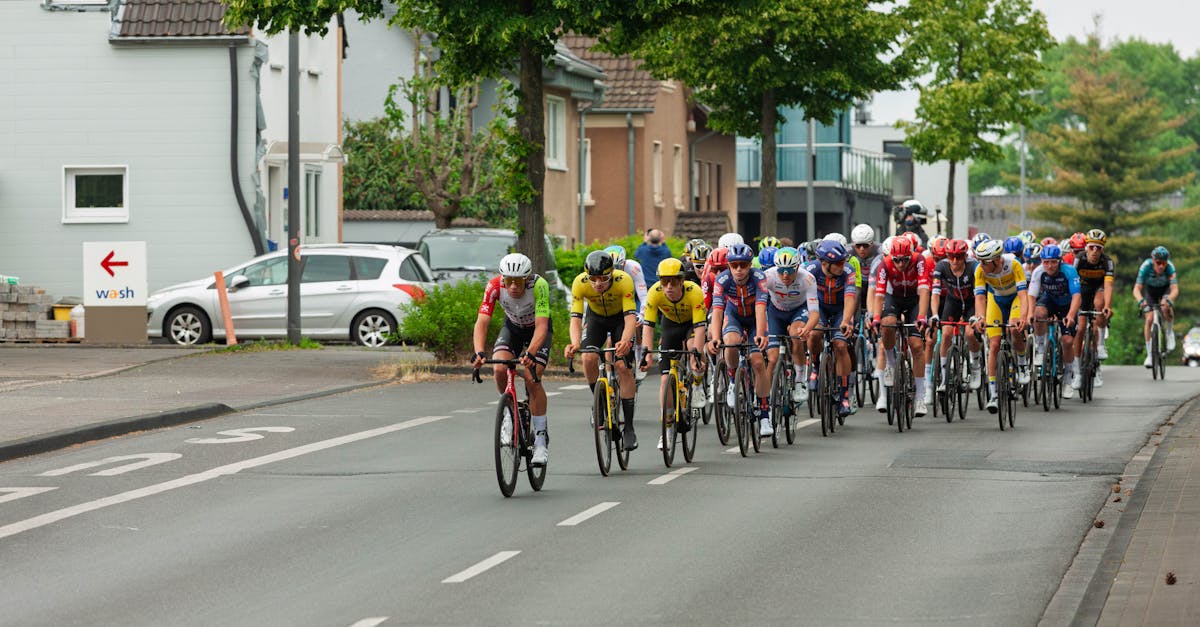
Caffeine’s strongest and most consistent effect shows up in aerobic endurance lasting 30 minutes or longer. Meta-analyses of controlled trials report meaningful improvements in time-to-exhaustion and time-trial performance for activities like running, cycling, swimming, and rowing.
For shorter, high-intensity efforts—sprints under 15-20 minutes or single-rep maximal lifts—the benefit is minimal or absent. Caffeine doesn’t create power; it changes how effort is perceived and how long you can sustain it. That matters more when the clock runs long.
For strength training and power output, the picture is murkier. Caffeine does seem to help with repetitions completed, especially in later sets when fatigue kicks in, and can sharpen reaction time. But the effect is typically modest and doesn’t show up reliably across all individuals or all studies.
How caffeine works
Caffeine blocks adenosine receptors in the central nervous system, according to sports nutrition research. Adenosine builds up during activity and signals fatigue; blocking it reduces perceived effort, so the same pace feels easier. You’re not actually producing more power—you’re tolerating discomfort better.
There’s also evidence that caffeine increases fat oxidation during exercise, which may spare muscle glycogen in longer efforts. In fatigued muscles, caffeine can enhance the recruitment of muscle fibers when you otherwise wouldn’t be able to fire them.
None of this replaces training, sleep, or proper fueling. Caffeine is a performance enhancer, not a substitute for the fundamentals.
Dosing: the 3-6 mg/kg formula
The International Society of Sports Nutrition recommends 3-6 mg of caffeine per kilogram of body weight, consumed 30-60 minutes before exercise. Below 3 mg/kg, most studies see no benefit. Above 6 mg/kg, you get more side effects without additional performance gain.
Here’s what that looks like in practice:
- 55 kg (121 lb): 165-330 mg
- 70 kg (154 lb): 210-420 mg
- 90 kg (198 lb): 270-540 mg
For reference, an 8 oz cup of brewed coffee has about 95 mg of caffeine; a standard energy drink is around 80-150 mg. The form doesn’t matter—coffee, tea, pills, or gels all work as long as you hit the right total dose.
Timing matters. Caffeine peaks in your bloodstream 30-60 minutes after consumption, so plan accordingly. If your race starts at 8 AM, drink your coffee at 7:15-7:30.
The caffeine-carbohydrate combination
Combining caffeine with carbohydrate may amplify the benefit for endurance events. Caffeine appears to increase fat oxidation and spare glycogen early in exercise, while carbohydrate feeding sustains power output in the later stages when glycogen runs low. Many endurance athletes use both strategically: caffeine before the start, carbs during the effort.
This synergy is most relevant for events lasting 90 minutes or longer, where glycogen depletion becomes a limiting factor. For shorter efforts, caffeine alone is typically sufficient.
The genetic wrinkle: fast and slow metabolizers
Genetic variation in the CYP1A2 gene affects how quickly people metabolize caffeine. Fast metabolizers feel the effects quickly and strongly, with minimal side effects at performance-enhancing doses.
Slow metabolizers break down caffeine more slowly, which means they may experience jitteriness, anxiety, or GI distress at the same dose that helps a fast metabolizer—and the performance benefit may be smaller or absent.
You don’t need genetic testing to figure this out. If you’ve ever had coffee before a workout and felt dialed-in and strong, you’re probably a fast metabolizer. If you felt shaky, anxious, or had to hit the bathroom twice, you’re likely a slow metabolizer. Trial and error in training—never in competition—is the practical approach.
Sex and age differences in caffeine response
Emerging research suggests that sex hormones and age may modulate how caffeine affects performance, though the evidence is still developing. Some studies indicate women may respond differently depending on menstrual cycle phase, and older adults may metabolize caffeine more slowly.
The current evidence isn’t strong enough to recommend different dosing strategies by sex or age, but if you’re not seeing the expected benefit at standard doses, individual variation—not just genetics—may be the reason.
Tolerance: it builds, but you can manage it
If you drink coffee every day, your body adapts. Tolerance can develop after regular use, and the performance-enhancing effect flattens or disappears. This is why most elite endurance athletes use caffeine strategically—before key workouts or races—rather than daily.
Cycling caffeine can restore sensitivity. Use it 2-3 days per week, or take a break before an important event. If you’re already a heavy caffeine user and you take 400 mg before a race, you won’t feel the same boost as someone who rarely uses it.
When caffeine helps, and when it doesn’t
| Scenario | Likely benefit? | Approach |
|---|---|---|
| Long run or bike ride (60+ min) | High | 3-6 mg/kg, 45 min before start |
| Moderate endurance (30-60 min) | Moderate | 3-6 mg/kg if you’re a responder |
| Strength training or lifting | Modest | 4-6 mg/kg if it reduces perceived effort |
| High-intensity intervals (HIIT) | Mixed | Limited data; try it in training first |
| Short sprints (<15 min) | Low | Effect minimal for brief maximal efforts |
| Morning workout (already drink coffee daily) | Low | Tolerance + baseline caffeine = no additive effect |
| Evening competition | Use caution | Sleep disruption risk; weigh trade-offs |
Risks and side effects
Caffeine is generally safe for healthy adults at doses up to 400 mg per day. But performance-enhancing doses can cause:
- Jitteriness and anxiety, especially in slow metabolizers or people with anxiety disorders
- GI distress, particularly in runners (start low to test tolerance)
- Dehydration risk: caffeine is a mild diuretic, so hydrate accordingly, especially in heat
- Sleep disruption: afternoon or evening caffeine reduces sleep quality even if you don’t feel wired
If you have a heart condition, panic disorder, or take medications that interact with stimulants, check with your doctor before using caffeine as a performance aid.
Caffeine is legal in Olympic and professional sports. Historical limits have been removed in most federations, but check your sport’s current rules if you compete.
What it means for your training
Caffeine is not a miracle. It won’t make up for poor training, inadequate sleep, or skipped meals. But if you’re already doing the work, a well-timed dose can make hard efforts feel slightly more manageable and help you sustain pace a bit longer—especially once you’re 30 minutes into the effort.
The key is knowing whether it works for you. If you’re a fast metabolizer training for a marathon or century ride, caffeine is one of the most evidence-backed, low-cost tools available. If you’re a slow metabolizer or training for maximal strength, the benefit might not justify the side effects.
Test it in training. Start at the low end of the range (3 mg/kg), note how you feel, and adjust from there. If it helps, use it strategically. If it doesn’t, you’ve lost nothing but a couple of workouts.
If you’re looking to fuel endurance efforts more broadly, carbohydrate timing before and after exercise covers how to pair caffeine with carb loading for long races. And because caffeine is a mild diuretic, Electrolytes and Hydration Explained: What Actually Matters can help you stay on top of hydration when you’re using it.
This information is for general education and not a substitute for professional medical advice. Consult your doctor or sports medicine professional if you have underlying heart conditions, anxiety disorders, or are taking medications that may interact with caffeine.