
Best Magnesium Supplement: Forms, Absorption, and What Works
Magnesium forms vary wildly in absorption—glycinate absorbs 6-8 times better than oxide. Evidence-based guide to choosing the right form and dose.
Evidence-based wellness, minus the miracle cures
39 articles
Nutrition is the most hyped, most contradictory corner of health, and it's exhausting. The Nutrition collection sticks to what the evidence supports — the basics that actually move the needle — and calls out the trends and supplements that don't.
We cite our sources and are honest about the limits of nutrition science. We won't tell you there's one magic food, because there isn't. Nothing here is personalized dietary advice.
Browse below to eat well without following anyone's diet religion.
Magnesium forms vary wildly in absorption—glycinate absorbs 6-8 times better than oxide. Evidence-based guide to choosing the right form and dose.
Magnesium oxide is the cheapest magnesium supplement, but only 4% is absorbed by your body. Here's what the bioavailability gap means and when it's still useful.
Magnesium threonate is marketed for brain health and memory, but the human evidence is thin. Here's what the science shows—and what it doesn't.

Magnesium malate is marketed for muscle pain and energy, but what does the research show? An honest look at the evidence, dosing, and whether it's worth the premium.

Pumpkin seeds contain 168mg of magnesium per ounce, up to 54% of daily needs for some adults. Here's how they compare to other foods high in magnesium and practical ways

Plain water works for most workouts under 90 minutes. Learn the science-backed thresholds for when electrolytes actually matter during exercise.

Learn the verified symptoms of vitamin D deficiency, realistic IU contributions from sun and food, and which sources actually meet your daily needs year-round.
Evidence-based guidance on lymphatic support for bloating. Learn which techniques help, how often to use them, and when bloating signals something else.

How dehydration impairs focus, reaction time, and memory—and how much water you need to maintain cognitive performance. Evidence-based guidance on water intake and brain

The post-workout anabolic window is real but measured in hours, not minutes. Evidence-backed guidance on when protein timing matters and when it doesn't.

A 4-week strategy to reach 25-30g fiber daily with specific portions, hydration targets, and troubleshooting for gas and bloating.

Learn the specific signs of vitamin D deficiency, from bone pain to muscle weakness, plus who's at risk and when testing is necessary.

Your daily protein target depends on activity level and age. Evidence-based ranges from 0.8 to 2.2 g/kg help you calculate your actual need in under a minute.

Even 1-2% body water loss measurably impairs attention and working memory. Here's what happens to your brain during dehydration and how much water you actually need.

Learn when to take vitamins for better absorption. Evidence-based timing for fat-soluble and water-soluble vitamins, plus which interactions actually matter.

Evidence-based strategies for forming lasting nutrition habits. Learn the real timeline, specific if-then plans, and environmental changes that work.

Recent studies challenge the idea that moderate alcohol protects your heart. Here's what current evidence shows about alcohol consumption limits and cardiovascular risk.

Electrolytes control how water moves into your cells. Learn when you need them, the science of sodium and potassium in hydration, and when water alone falls short.

Magnesium supports muscle function, bone health, and energy—but most people can meet their needs through food. Here's what works and what doesn't.

Evidence-based guide to anti-inflammatory foods and diet patterns. Learn which foods reduce inflammation, how much matters, and why pattern beats superfoods.

Fish oil shows modest benefit for rheumatoid arthritis but unclear evidence for osteoarthritis. Here's what research shows about omega-3 supplements and joint pain.

Learn when to eat carbs before and after exercise based on your workout type, intensity, and goals—with a flexible framework, not rigid rules.

Caffeine metabolism and genetics explain why one espresso keeps you wired while your friend needs three. The CYP1A2 gene determines how fast you clear caffeine—here's

Recent research has shifted the consensus on alcohol and heart health. Here's what large-scale studies now show about wine consumption, cardiovascular risk, and safe
Learn when to eat protein after workouts for optimal muscle recovery. Evidence-based timing windows, daily targets, and when precision actually matters.

Why caffeine withdrawal happens, how long it lasts, and what determines whether you'll experience mild discomfort or days of headaches and fatigue.

Yes, dehydration can trigger headaches. Learn the mechanism, how to tell if dehydration is the culprit, and how much water you actually need to prevent them.
Evidence-based guide to foods and lifestyle habits that reduce chronic inflammation. Learn what actually works, with concrete targets and timelines.

Evidence-based guide to inflammation and diet: which foods lower inflammatory markers, what the research actually shows, and when diet matters for chronic inflammation.

Does sugar cause inflammation? Research shows added sugars raise inflammatory markers like CRP, but whole fruit sugar doesn't—here's why.

Sodium intake and heart health are closely linked through blood pressure, arterial stiffness, and cardiovascular risk. Learn the daily limits backed by science.

Discover the best foods for sustained energy backed by nutrition science. Learn which energy foods prevent crashes and keep you fueled all day long.

Evidence shows meal composition matters more than timing for digestion, but eating close to bedtime can disrupt sleep through acid reflux in sensitive individuals.
Evidence-based comparison of marine collagen vs bovine for joints. What the clinical trials show, which type absorbs best, and who benefits most from supplementation.
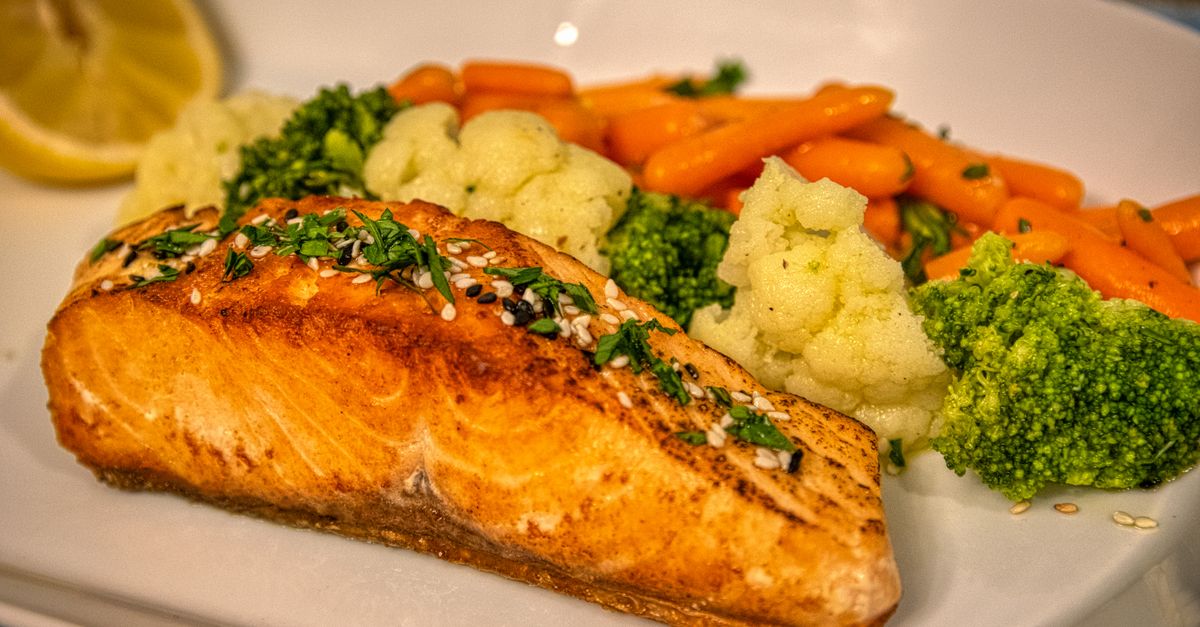
Which omega-3 foods support brain health? Learn what DHA and EPA do, which foods deliver them best, and whether supplements match whole-food sources.

Large clinical trials show most healthy adults gain no measurable benefit from daily multivitamins. Who the evidence supports—and who's better off spending that money

The RDA says 0.8 g/kg. Fitness sites say 2g/lb. What does the evidence actually support? Here's what the data says for sedentary adults, athletes, and older adults.

The '8 glasses a day' rule is a myth. Here's what the science actually says about daily water intake—and how to know if you're drinking enough.

Intermittent fasting works for weight loss—but not because it's metabolically special. Here's what 44 clinical trials actually show about IF effectiveness, risks, and