

You’re standing in the sports drink aisle wondering if you need those brightly colored bottles for your morning run. Or maybe you’ve seen athletes sipping electrolyte drinks during workouts and assumed you’re missing something important. The truth is simpler—and cheaper—than the marketing suggests.
The short answer
For exercise lasting less than 90 minutes at moderate intensity, plain water is almost always sufficient. Electrolyte replacement matters primarily for endurance efforts lasting over 90 minutes, especially in heat, or if you’re a heavy sweater. The key electrolyte lost in sweat is sodium, and most people need 300–600 mg per hour during prolonged exercise.
When electrolytes actually matter
The 90-minute threshold isn’t arbitrary. It’s grounded in how your body manages fluid balance during exercise. When you sweat, you lose water and dissolved minerals—primarily sodium, with smaller amounts of potassium, chloride, and magnesium. For shorter workouts, your body’s existing electrolyte stores are more than adequate, and drinking water maintains hydration just fine.
But during prolonged exercise, especially in warm conditions, sodium loss becomes significant. According to sports medicine guidelines from the American College of Sports Medicine, most people lose 400–800 mg of sodium per hour through sweat. That loss adds up. After two or three hours, replacing sodium alongside fluids helps maintain blood volume, supports continued sweating for cooling, and prevents a rare but serious condition called hyponatremia.
Here’s the practical breakdown by workout duration:
| Duration | What to drink | Sodium needed | Carbs needed | When this applies |
|---|---|---|---|---|
| <60 min | Water | None | None | Most gym sessions, short runs |
| 60–90 min | Water or light sports drink | 50–100 mg/hour | Optional | Longer sessions, hot days |
| 90–180 min | Sports drink | 100–200 mg/hour | 15–30 g/hour | Half marathons, long rides |
| >180 min | Sports or high-sodium drink | 300–600 mg/hour | 30–60 g/hour | Marathons, ultra events |
Why sodium during workouts is the priority
When we talk about electrolyte drinks, we’re mostly talking about sodium. Yes, you lose some potassium and other minerals in sweat, but sodium is the dominant electrolyte lost—and the one that matters most for maintaining fluid balance during exercise.
Sodium helps your body hold onto the water you drink. Without it, especially during very long efforts, you can drink plenty of fluids and still end up with suboptimal hydration because your kidneys flush out the excess water to keep your blood sodium concentration normal. This is why sodium-containing beverages are recommended for endurance exercise lasting beyond two hours.
Sodium concentration in sweat varies widely between people—anywhere from 200 to 1000 mg per liter. Some of this is genetic. Some comes from heat acclimatization (people who train regularly in heat tend to conserve sodium better). Some is just individual variation we don’t fully understand yet. If you’re someone who gets white salt streaks on your shirt or hat after a hard workout, you’re likely a “salty sweater” who may benefit from sodium replacement even during moderate-length sessions.
The real benefit of electrolyte drinks
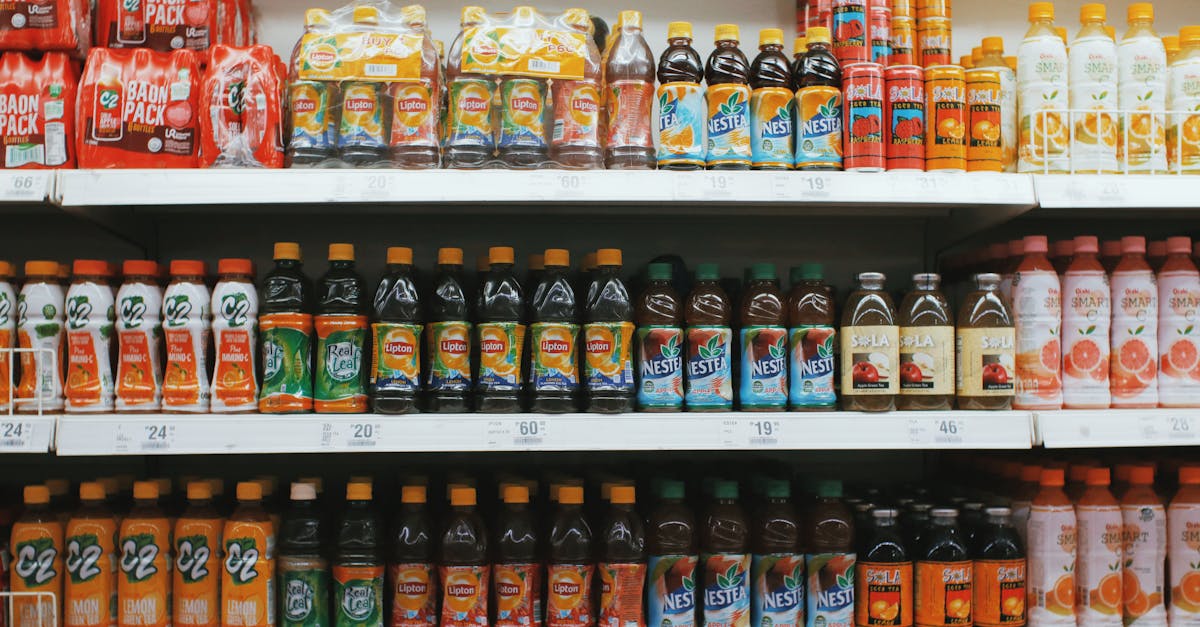
Electrolyte drink benefits are straightforward: they help you retain the fluids you’re drinking, and in the case of sports drinks, they provide easily absorbed carbohydrate for energy. That’s it. They don’t “boost performance” beyond helping you stay hydrated and fueled. They don’t detoxify anything. They’re a practical tool for specific situations.
A typical sports drink contains about 6–8% carbohydrate (14–19 grams per 8-ounce serving) and 110–170 mg of sodium per serving. The carbs matter if you’re working hard enough to deplete muscle glycogen—usually efforts over an hour. The sodium matters for the reasons above. For a 60- to 90-minute workout in temperate conditions, you’re mostly paying for convenience and taste.
Higher-sodium formulations (200–250 mg per serving) exist for endurance athletes or heavy sweaters. Electrolyte tablets and powders vary widely in composition; read the label and look for at least 200 mg sodium per serving if you’re using them for endurance work.
Coconut water is often marketed as a natural electrolyte drink, but it’s low in sodium (around 150 mg per serving) and high in potassium (600+ mg). That’s fine for general rehydration after a workout, but it’s not ideal during endurance exercise when sodium is the priority.
How much to drink: individual sweat rate matters
While most people lose 400–800 mg of sodium per hour, sweat rate varies considerably—from 0.5 liters per hour for a lighter recreational runner in cool conditions to 2.5 liters per hour for a heavier competitive athlete training in summer heat.
Here’s how to translate this into actual fluid intake targets. Research summarized by the American College of Sports Medicine recommends a baseline of 400–800 mL of fluid per hour during exercise, scaled by body weight and environmental conditions. A 130-pound runner might target the lower end; a 200-pound athlete in heat would aim higher.
To find your personal sweat rate, weigh yourself naked before and immediately after a one-hour workout in typical conditions. For every pound (0.45 kg) lost, you sweated roughly 16 ounces (475 mL) of fluid. If you drank anything during the workout, add that volume to your loss. This becomes your hourly sweat rate baseline. Adjust upward for hotter days or harder efforts, downward for cooler weather.
Once you know your sweat rate, aim to replace 50–80% of it during exercise lasting over 90 minutes. Full replacement during the workout itself is neither necessary nor always comfortable. Complete rehydration happens in the hours after you finish.
Heat acclimatization: your body adapts
If you’ve been training in warm conditions regularly, your body becomes more efficient at managing both fluids and electrolytes. Heat acclimatization triggers several helpful adaptations: you start sweating earlier and more efficiently, your sweat becomes more dilute (you conserve sodium better), and your plasma volume expands.
The timeline is surprisingly quick. According to exercise physiology research indexed in PubMed, significant sodium-sparing adaptation occurs within 7–14 days of heat training. This means your sweat loses less sodium per liter after two weeks of consistent warm-weather workouts compared to when you started. Trained athletes who regularly work out in heat may need less aggressive sodium replacement than the general guidelines suggest.
This matters if you’re planning seasonal training shifts or traveling to compete in a different climate. If you normally train in air conditioning and you’re racing in summer heat, your sodium losses will be higher than someone who’s been outside all season. Unacclimatized athletes exercising in heat face higher risk for both dehydration and electrolyte imbalance.
Women tend to have lower absolute sweat rates than men on average, but individual variation within each sex is huge—your sweat rate is about you, not about population averages. Older adults sometimes have blunted thirst perception, which means drinking to thirst may underhydrate them during long efforts; they may benefit from a more proactive hydration plan.
The bottom line: test your hydration strategy during training, not on race day. Try different approaches—water alone, sports drinks, electrolyte tabs, homemade solutions—and see how you feel during and after workouts of varying lengths and intensities.
The over-hydration risk you should know about

Here’s the wrinkle most sports drink marketing ignores: drinking too much water without enough sodium during very long endurance efforts can dilute your blood sodium to dangerous levels. This is called exercise-associated hyponatremia, and while it’s rare, it’s serious.
Hyponatremia happens almost exclusively during prolonged continuous exercise lasting more than 4–5 hours—marathons, triathlons, ultra-distance races—when athletes drink excessive amounts of plain water (typically more than 1.5 liters per hour) while losing sodium in sweat. Research reviewed by the Mayo Clinic shows early symptoms include nausea, severe headache, and confusion. In severe cases, it can progress to seizures or coma.
Prevention is straightforward: target 300–600 mg of sodium per hour during ultra-endurance efforts, drink to thirst rather than forcing fluids, and avoid the “drink as much as possible” advice that was common decades ago. Your body is good at signaling when it needs water; trust that signal.
This is not a concern for typical gym workouts, short runs, or even half marathons for most people. It’s specifically an issue when people combine very long duration, excessive fluid intake beyond thirst, and inadequate sodium replacement.
A practical approach to hydration
Here’s what works for most people:
For workouts under 90 minutes: Drink water. Aim for 7–10 ounces every 15–20 minutes if you’re sweating heavily, or just drink when you’re thirsty for moderate efforts. You don’t need anything fancy.
For 90 minutes to 3 hours: Use a sports drink or add electrolyte tabs to water, targeting around 100–200 mg sodium per hour. Include 15–30 grams of carbohydrate per hour if the effort is hard enough that you’re breathing heavily and can’t easily hold a conversation.
For efforts over 3 hours: Increase sodium to 300–600 mg per hour and carbohydrate to 30–60 grams per hour. You can get this from sports drinks, gels, chews, or real food like pretzels and bananas. Drink to thirst; don’t force fluids beyond what feels comfortable.
After exercise: Rehydrate with 150% of the fluid weight you lost (weigh yourself before and after long workouts to estimate this) over the next 4–6 hours. Including sodium helps you retain that fluid—this is where salty foods or a sports drink actually speeds recovery.
The homemade option
You don’t need commercial products to get effective electrolyte hydration. A simple homemade sports drink:
- 1 liter (about 34 oz) water
- ¼ teaspoon salt (about 575 mg sodium)
- 2–4 tablespoons sugar or honey (for carbohydrate)
- Optional: squeeze of lemon or lime for flavor
This gives you a similar sodium and carbohydrate concentration to commercial drinks at a fraction of the cost. For shorter efforts where you just want a bit of sodium without the carbs, halve the salt and skip the sugar.
Alternatively, drink water and eat salty snacks during breaks—pretzels, salted nuts, or even a few potato chips deliver sodium just fine.
FAQ
Do I need electrolyte drinks for my workout?
Probably not, if your workout is under 90 minutes and you’re not in extreme heat. Water is sufficient for most gym sessions, runs, and bike rides. Save the electrolyte drinks for longer endurance efforts or very hot conditions.
How much sodium do I lose when I sweat?
Most people lose 400–800 mg of sodium per hour during moderate to hard exercise, but individual sweat sodium concentration varies from 200 to 1000 mg per liter. Heavy sweaters or those with salty sweat (visible salt streaks on clothes) may lose more.
Can you drink too much water during exercise?
Yes, but it’s rare. Drinking excessive plain water (typically more than 1.5 liters per hour) during endurance events lasting over 4–5 hours without replacing sodium can cause hyponatremia. For most workouts, drinking to thirst prevents this. During ultra-endurance efforts, include sodium in your hydration plan.
What’s the difference between water, sports drinks, and electrolyte drinks?
Water hydrates without added calories or electrolytes. Sports drinks add carbohydrate (6–8%) and sodium (100–170 mg per serving) for energy and fluid retention during longer efforts. Electrolyte drinks or tabs focus on sodium and other minerals with little or no carbs—useful when you want electrolyte replacement without the calories.
If you’re training for an endurance event or exercising in extreme heat, consider working with a registered sports dietitian to dial in your personal hydration strategy. For everyone else, the evidence-based minimum is simple: drink water for most workouts, add sodium and carbs for the longer ones, and test your approach during training so nothing surprises you when it counts.
For general information only and not a substitute for professional medical advice. Consult a healthcare provider or registered sports dietitian for personalized hydration guidance, especially before major endurance events or if you have underlying health conditions.