
Carb Loading Before Workouts: What Works (and Who It's For)
Evidence-based guide to pre-workout carb loading: who benefits, how much to eat, timing strategies, and practical meal examples for endurance and strength workouts.
Evidence-based wellness, minus the miracle cures
31 articles
You don't need a perfect program or a gym you dread. The Movement collection covers how much activity actually matters for health, and practical ways to build strength, mobility, and everyday movement that fit a normal schedule.
Our guidance is grounded in exercise science and honest about trade-offs. We meet you where you are rather than selling an all-or-nothing plan, and we flag when to check with a doctor first.
Explore below to move more in a way you can actually keep up.
Evidence-based guide to pre-workout carb loading: who benefits, how much to eat, timing strategies, and practical meal examples for endurance and strength workouts.

Morning workouts offer a small metabolic edge of roughly 3–8% over evening exercise—but adherence matters far more. Here's what exercise science shows about timing and

Caffeine improves endurance performance by 2-5% in most athletes. Here's the evidence on dosing, timing, and when it works—plus why it helps some people more than others.

Foam rolling can reduce perceived soreness by 5-10% and improve flexibility short-term, but won't speed strength recovery. Here's how to use it effectively.
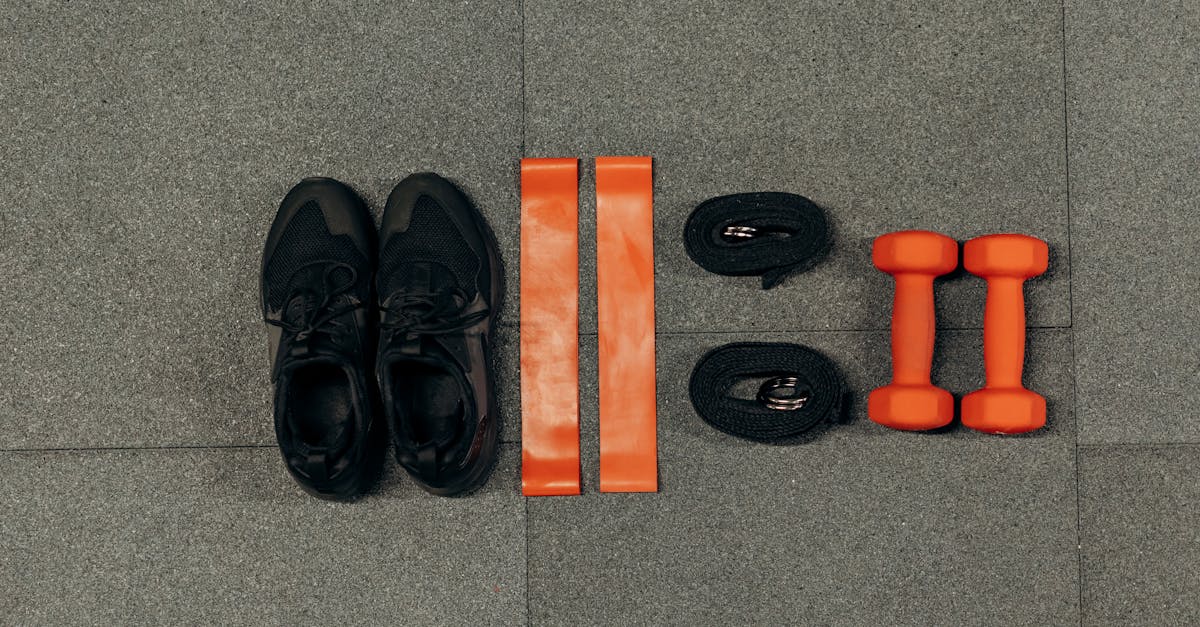
Research-backed comparison of dumbbells, resistance bands, cables, and bodyweight training. What builds muscle, when each excels, and the minimal home setup.

Evidence-based methods for muscle recovery after exercise. Learn what actually speeds recovery, what doesn't, and why soreness peaks 48-72 hours post-workout.

Progressive overload is the gradual increase in training stress that triggers adaptation. Learn which progression methods work, how often to progress, and how to add

Science-backed stretches for lower back pain, with a self-test to identify your pain type and a desk worker routine you can do in 5 minutes.

What is zone 2 cardio and why it matters: the heart rate training method that builds aerobic capacity, how to calculate your zone, and what it can't do.

Cold water immersion may reduce muscle soreness modestly, but it doesn't accelerate return to performance and may blunt strength adaptation if overused. Here's what

Science-based steps to turn sporadic workouts into a lasting routine. Practical strategies from habit research, not motivation myths.

Sedentary time and cardiovascular health are linked by clear thresholds. Learn how much sitting raises risk, why 2-minute breaks work, and what NEAT means for your heart.

Cold water exposure increases metabolic rate acutely, but the effect is brief. Chronic exposure can expand brown fat tissue, yet the real-world impact on daily calorie

Ice baths reduce soreness but don't necessarily speed muscle healing. Here's what cold water immersion actually does—and when it might help or hurt your training.

Build deep core strength and improve posture with progressive stability exercises. Includes beginner and intermediate routines, timelines, and what else matters.

Evidence-based recovery from digital eye fatigue: why the 20-20-20 rule works, how long symptoms last, and when screen discomfort needs medical attention.

Muscle loss accelerates after 50, but strength training reverses it. Realistic timelines, safe progressions, and how to start—even with joint issues.

Posture contributes to chronic pain, but not the way most people think. Movement variability and strength matter more than perfect alignment.

Learn how static holds like wall sits and planks build real strength, with progression frameworks, angle-specific training tips, and when to pair with dynamic work.
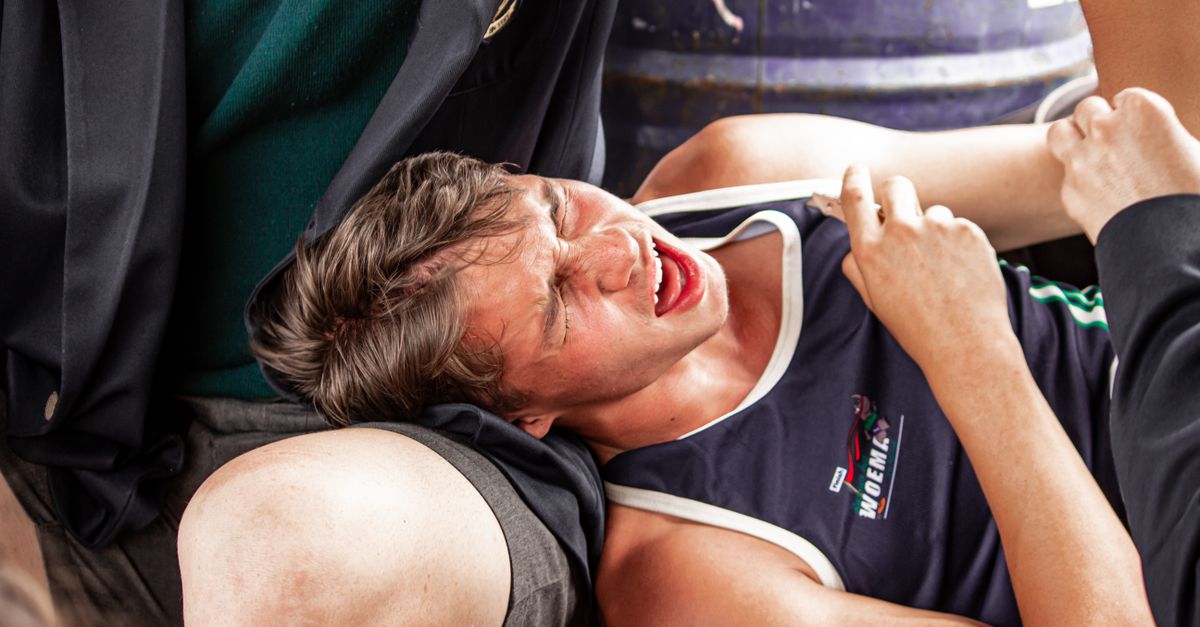
Does magnesium help muscle cramps and recovery? The answer depends on whether you're deficient. Learn when supplementation helps and when it doesn't.

Cold exposure triggers immune activation, but does it prevent illness? A review of the evidence on cold therapy benefits, ice baths, and winter immune health.

Learn how to calculate your sweat rate, when to drink during exercise, and why timing matters more than total volume for performance and safety.

Science-backed cardio frequency guidelines for every fitness level. Learn how intensity, recovery, and weekly volume interact to build your optimal schedule.

Cold water exposure triggers real physiological changes—increased norepinephrine, brown fat activation—but most benefits are acute, not cumulative, and the practice

Evidence-based stretching frequency: 2-3 focused sessions per week build flexibility. Learn when to use static vs. dynamic stretching and how often you need it.

Standing desks burn ~70–150 extra calories per 8-hour day and reduce static sitting — but alternating posture and movement breaks matter more than desk type.

Walking pace and cardiovascular fitness are directly connected. Learn how speed, heart rate zones, and brisk walking benefits affect your heart health.

Stretching doesn't prevent DOMS, but other recovery methods do work. Here's what the research actually says about reducing muscle soreness after exercise.

The 10,000-step goal is marketing, not medicine. Research shows 7,000–8,000 steps daily offers strong health benefits—here's what actually matters.
The evidence-based answer: 150 minutes of moderate-intensity aerobic activity or 75 minutes of vigorous activity per week, plus strength training twice weekly. Here's

Learn how to build real strength at home with bodyweight exercises, no gym required. Evidence-based beginner program with progression plan and form tips.