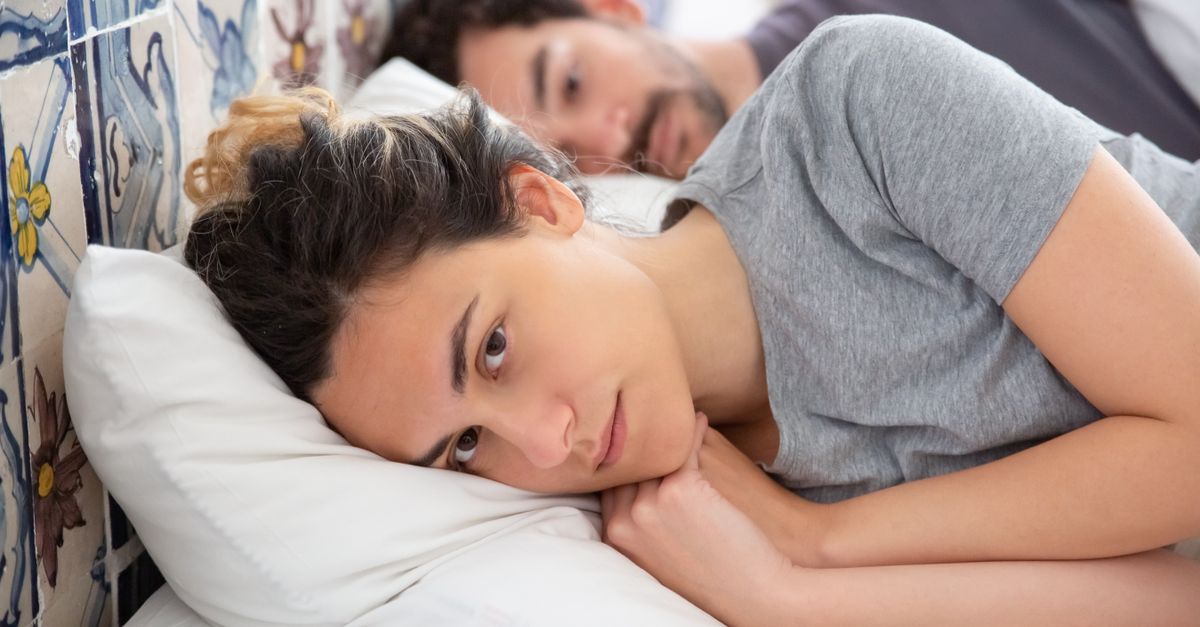
Best Sleep Aid Over the Counter: How to Choose Safely
Antihistamines work fast but lose effectiveness in weeks. Melatonin adjusts your clock, not sedation. Compare mechanisms, dosing, and safety for OTC sleep aids.
Evidence-based wellness, minus the miracle cures
19 articles
Sleep is the foundation almost every other health habit stands on, and it's the one most people quietly get wrong. The Sleep collection covers what the evidence actually says about falling asleep, staying asleep, and waking up rested — without the gadgets and gimmicks.
Our guides are grounded in sleep science and cited, and we're clear about what's well-established versus what's still uncertain. Nothing here is medical advice, and we flag when a sleep problem is worth seeing a doctor about.
Start below to build sleep habits that hold up on a normal, busy life.
Antihistamines work fast but lose effectiveness in weeks. Melatonin adjusts your clock, not sedation. Compare mechanisms, dosing, and safety for OTC sleep aids.

Increase deep sleep with realistic, science-backed strategies. Age-adjusted expectations, what works, and why trackers often mislead.
Evidence-based guide to magnesium supplements for sleep and recovery. Compare forms, absorption rates, and realistic benefits backed by clinical trials.

Learn the science-backed timing for reducing screen time before bed, why blue light matters, and how to build an evening wind-down routine that actually works.

Reset your circadian rhythm with light exposure timing, realistic schedules, and evidence-based protocols. Includes timelines for jet lag and night shift recovery.

Magnesium plays a role in muscle relaxation and sleep regulation, but the evidence for supplementation is mixed. Here's what works and what's uncertain.
Modest evidence supports magnesium for sleep. Learn which forms work, proper dosing, contraindications, and when to skip it entirely.
Learn how to use morning light exposure to reset your circadian rhythm, improve sleep quality, and shift a delayed sleep schedule—with specific timing and intensity

Morning light exposure can advance your circadian rhythm and improve sleep quality—but timing, intensity, and individual factors determine whether it works for you.
Learn how to build better sleep habits with a phased, evidence-based approach. Covers sleep timing, bedroom environment, and wind-down routines that stick.

Recovering from chronic sleep debt takes 2-4 weeks of consistent sleep, not a weekend. Learn why partial recovery is realistic and what the science actually shows.
Magnesium for sleep shows modest evidence in older adults and those with low intake, but results are inconsistent in healthy sleepers. Here's what the research actually

Afternoon naps can boost alertness and focus for sleep-deprived people, but duration and timing matter. Learn what the research actually shows about power naps.

Does blue light from screens hurt sleep? The mechanism is real, but brightness, timing, and what you're doing on screens matter more than wavelength alone.

Exercise recovery and sleep quality are tightly linked: sleep is when muscle repair peaks, while regular exercise improves sleep. Here's what the evidence shows.

Evidence-based guide to sleeping positions that reduce back and neck pain. Learn proper pillow placement, support strategies, and when to see a doctor.

Sleep trackers are better than guessing but worse than a sleep lab. Here's what they actually measure, what they miss, and how to use them wisely.
Most adults need 7–9 hours of sleep, but individual needs vary. Learn what the research says about sleep requirements by age and the real cost of chronic short sleep.
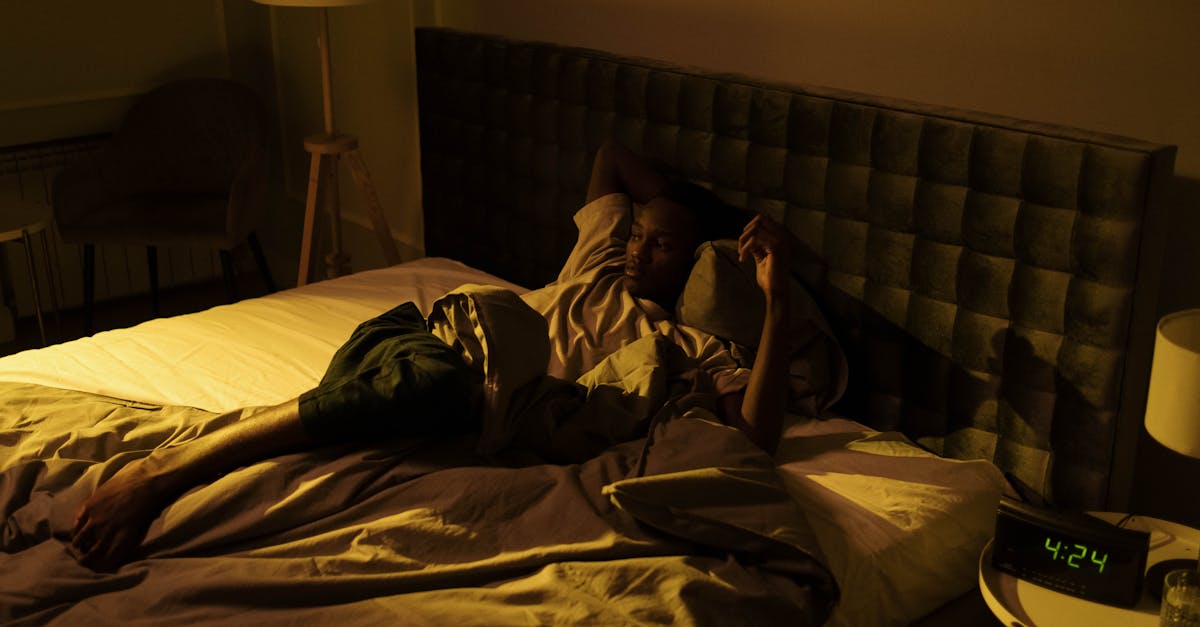
Learn how to fall asleep faster using evidence-based techniques from sleep science. Align your body clock, calm a racing mind, and retrain your sleep associations in 6