
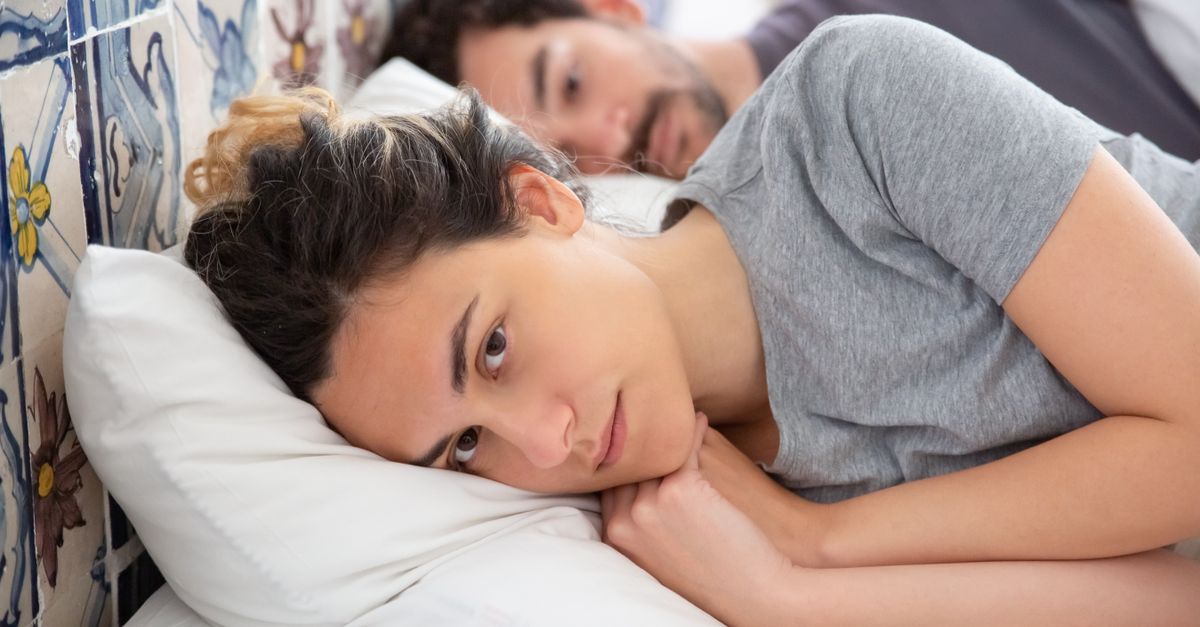
Most people taking melatonin are using far more than the effective dose. Those reaching for antihistamines don’t realize tolerance builds in one to two weeks, making nightly use ineffective. And the phrase “best sleep aid” assumes a single answer when the evidence points to something more nuanced: what works depends on why you’re not sleeping.
The short answer
No single over-the-counter sleep aid is universally “best”—antihistamines (diphenhydramine, doxylamine) work quickly for occasional use but lose effectiveness within two weeks; melatonin adjusts circadian rhythm rather than inducing sleep directly and works best at 0.5-3 mg, not the 5-10 mg doses commonly sold; valerian and magnesium have modest, inconsistent evidence and take longer to show any benefit. Your choice depends on whether your sleep problem is circadian misalignment, occasional sleeplessness, or something requiring professional evaluation. Before self-treating with any OTC aid, screen for patterns that warrant seeing a doctor first.
Before choosing an aid: what kind of sleep problem do you have?
The right sleep aid—or whether you need one at all—depends on answering a few screening questions:
Is this new or chronic? Trouble sleeping for a few nights (travel, stress, schedule disruption) responds differently than insomnia lasting weeks or months. Occasional sleeplessness may resolve with short-term use of an antihistamine or addressing the trigger. Chronic insomnia—three or more nights per week for over three months—requires professional evaluation, not prolonged self-treatment.
What’s the pattern? Can’t fall asleep at your normal bedtime but feel alert for hours (delayed sleep phase)? Wake at 3 a.m. and can’t return to sleep (sleep maintenance insomnia)? Fall asleep fine but wake unrefreshed (possible sleep apnea or other disorder)? Circadian trouble points toward melatonin; middle-of-night waking points away from OTC aids and toward behavioral strategies or medical assessment.
Any other symptoms? Loud snoring, gasping or choking during sleep, morning headaches, or severe daytime fatigue despite adequate time in bed are red flags for obstructive sleep apnea. Taking a sleep aid in that scenario won’t help and may worsen breathing during sleep. See a healthcare provider for evaluation—sleep apnea requires diagnosis and treatment, not self-management.
What have you already tried? If you’ve addressed the behavioral basics—consistent sleep schedule, limited caffeine after noon, reduced screen time before bed, cool dark room—and insomnia persists, that’s another signal to see a professional rather than cycle through OTC options indefinitely.
Answering these questions routes you toward the right tool—or flags when a doctor visit is the necessary first step.
Why antihistamines work fast but stop working
Diphenhydramine (Benadryl) and doxylamine (Unisom) are first-generation antihistamines that cross into the brain and block histamine H1 receptors, causing sedation as a side effect. The FDA recognizes them as safe and effective for short-term sleep induction—they’re an approved use, not off-label.
The catch: tolerance develops within one to two weeks of nightly use. Your body downregulates H1 receptors in response to chronic blockade, which means the same dose becomes progressively less effective. According to the National Center for Complementary and Integrative Health, antihistamines show modest short-term benefit in clinical trials, but effect sizes shrink with continued use.
Standard dosing: Diphenhydramine 25-50 mg or doxylamine 25 mg, taken 30 minutes before bed. Higher doses don’t improve sleep and increase next-day grogginess.
Next-day effects are common: impaired alertness, slowed reaction time, and what’s often called a “hangover” feeling. This matters if you drive or operate machinery in the morning.
Who should avoid antihistamines: Adults over 65 face higher anticholinergic sensitivity and fall risk. Antihistamines also worsen urinary retention (prostate enlargement), narrow-angle glaucoma, and sleep apnea. Combining them with alcohol or other sedating medications amplifies CNS depression and is unsafe.
The tolerance issue makes antihistamines a poor choice for chronic insomnia. They’re best reserved for occasional nights when sleep won’t come—travel, stress, schedule disruption—not as a nightly habit.
Melatonin is a circadian hormone, not a sedative
Melatonin is a synthetic version of the hormone your pineal gland produces in response to darkness. It signals “nighttime” to your brain, which is why it’s most effective for circadian rhythm disorders: jet lag, shift work sleep disorder, delayed sleep phase disorder. Cochrane systematic reviews support its use for circadian adjustment; evidence for primary insomnia in people with normal melatonin levels is weaker.
The dosing reality check: Research shows that 0.5-3 mg is the effective range. Most products sold in stores contain 5-10 mg, which doesn’t improve efficacy and may increase side effects like morning grogginess, headache, and vivid dreams. The misconception that “more is better” leads to widespread overdosing.
Timing matters as much as dose: Take melatonin 30-60 minutes before your desired sleep time, not right as you get into bed. It takes time to bind to MT1 and MT2 receptors and shift your circadian phase.
Safety profile: Melatonin is generally well-tolerated. Side effects are usually mild—headache, dizziness, nausea—but some people experience mood changes. Use caution if you have depression or bipolar disorder.
Who should avoid melatonin: Those with autoimmune conditions (melatonin stimulates the immune system; the implications for autoimmune disease are unclear), seizure disorders (may lower seizure threshold), and anyone on immunosuppressants. Pregnant and breastfeeding women should avoid it due to limited safety data.
Melatonin is not a quick-fix sleep pill. If your circadian rhythm is already aligned and your body is producing adequate melatonin, supplementing won’t necessarily help you fall asleep faster. It’s best suited to situations where your internal clock is out of sync with your desired sleep schedule. For behavioral strategies to support natural circadian alignment, see How to Fall Asleep Faster: 6 Science-Backed Techniques That Work and Does Morning Sunlight Improve Sleep? What the Science Shows.
Valerian, magnesium, and the “possibly effective” category

Valerian root contains valerenic acid and other compounds that may increase GABA activity, similar to (but much weaker than) benzodiazepines. Cochrane reviews classify it as “possibly effective,” but evidence quality is mixed. Small sample sizes and conflicting results make firm conclusions difficult.
The other challenge: valerian may take two to four weeks of consistent use before showing any benefit. It’s not for acute sleep induction. Standard dosing ranges from 400-900 mg of standardized extract, taken 30-60 minutes before bed—but “standardized” is relative, since supplement regulation is weak and potency varies dramatically between brands.
Side effects are generally mild: headache, dizziness, gastric upset, morning grogginess. Rare reports of liver toxicity exist but are debated in the literature. Some people experience paradoxical stimulation. Pregnant and breastfeeding women, children, and those with liver disease should avoid valerian.
Magnesium regulates neurotransmitters, activates the parasympathetic nervous system, and may promote GABA activity and melatonin production. The evidence for insomnia specifically is limited—some studies support magnesium supplementation for sleep quality improvement, but effect sizes are modest and study quality varies.
The form you choose matters. Magnesium glycinate has better absorption, minimal laxative effect, and the most support in sleep research. The glycine component itself may contribute to sleep quality through its action as an inhibitory neurotransmitter. Magnesium threonate also shows good absorption and brain bioavailability. In contrast, magnesium oxide—one of the cheapest and most common forms—has poor absorption and a pronounced laxative effect, making it a poor choice for sleep support. Typical dosing is 200-400 mg of elemental magnesium (check the label for elemental content, not total compound weight) taken 30-60 minutes before bed.
Compared to valerian, magnesium glycinate has a clearer mechanistic rationale and a better safety profile, though neither has robust large-scale evidence for insomnia. If you’re choosing between the two, magnesium glycinate is the more concrete option with less variability in product quality.
Who should avoid magnesium: People with kidney disease (impaired excretion leads to accumulation risk), myasthenia gravis, or bowel obstruction. Magnesium also reduces absorption of quinolone and tetracycline antibiotics—space doses at least two hours apart.
L-theanine, an amino acid from tea, has better evidence for anxiety reduction than for insomnia itself. If your sleep problem is driven by stress or racing thoughts, 100-200 mg of L-theanine may help you relax without sedation. It’s generally safe with minimal side effects.
Other options—passionflower, glycine, 5-HTP—have weaker or very limited evidence. 5-HTP in particular carries a risk of serotonin syndrome when combined with SSRIs or other serotonergic drugs.
Comparing your options: mechanism and use case
| Sleep Aid | Mechanism | Best For | Typical Dose | Time to Effect | Tolerance Risk | Key Caution |
|---|---|---|---|---|---|---|
| Diphenhydramine, doxylamine | H1 receptor blockade (sedation) | Occasional sleeplessness | 25-50 mg | 30 min | High (1-2 weeks) | Hangover effects; avoid age 65+ |
| Melatonin | Circadian phase adjustment | Jet lag, shift work, delayed sleep phase | 0.5-3 mg | 30-60 min | Low | Only works for circadian misalignment |
| Valerian | Possible GABA modulation | Sleep maintenance (possibly) | 400-900 mg | 2-4 weeks | Low | Quality varies; slow onset |
| Magnesium glycinate | Neurotransmitter regulation, muscle relaxation | General sleep quality (if deficient) | 200-400 mg | Varies | Low | Choose glycinate over oxide; avoid with kidney disease |
| L-theanine | Relaxation without sedation | Anxiety-driven sleep issues | 100-200 mg | 30-60 min | Low | Mild evidence; no direct sedation |
The “best” aid depends on your sleep problem. Circadian misalignment (jet lag, irregular schedule) points to melatonin. Occasional sleeplessness from stress or travel might benefit from antihistamines—but only occasionally. Anxiety-driven insomnia might respond to L-theanine. Chronic insomnia warrants professional evaluation, not self-treatment with OTC aids.
Safety, interactions, and who should avoid what

Supplement quality is variable. Unlike prescription drugs, dietary supplements aren’t FDA-regulated for potency or purity. Research shows melatonin supplements vary significantly in actual potency compared to their labels; third-party testing (USP, NSF) helps verify quality, but it’s voluntary, not mandatory.
Drug interactions are real:
- Antihistamines potentiate alcohol and other CNS depressants; combining them is unsafe
- Magnesium reduces absorption of certain antibiotics (quinolones, tetracyclines)—space doses at least two hours apart
- Valerian may interact with other sedatives or drugs metabolized by the liver
- Melatonin has minimal interactions but may affect blood sugar; use caution with antidiabetic medications
High-risk populations:
- Adults 65+: Avoid antihistamines due to fall risk, anticholinergic sensitivity, and next-day impairment
- Pregnant or breastfeeding: Limited safety data for most sleep aids; avoid melatonin, valerian
- Kidney disease: Magnesium accumulation risk; avoid supplementation without medical supervision
- Sleep apnea: Antihistamines and other sedatives can worsen breathing during sleep
- Autoimmune conditions: Melatonin stimulates the immune system; implications are unclear
- Seizure disorders: Melatonin may lower seizure threshold
Overdosing is common, especially with melatonin. Taking 10 mg instead of 1-3 mg doesn’t improve sleep and increases side effects. Mayo Clinic notes that people often assume higher doses work better, but the evidence doesn’t support that assumption.
When OTC aids aren’t enough: the case for CBT-I
Chronic insomnia—difficulty sleeping three or more nights per week that interferes with daytime function—warrants professional evaluation, not prolonged self-treatment. It can signal sleep apnea, depression, medication side effects, or other medical conditions that OTC aids won’t address.
Cognitive-behavioral therapy for insomnia (CBT-I) has stronger long-term evidence than any non-prescription drug for chronic insomnia. Research indexed in PubMed Central shows CBT-I produces sustained improvements in sleep onset, sleep maintenance, and daytime function—and unlike sleep aids, the benefits persist after treatment ends because it addresses the behavioral and cognitive patterns maintaining the insomnia.
CBT-I typically includes sleep restriction (consolidating time in bed to match actual sleep time), stimulus control (re-associating bed with sleep rather than wakefulness), cognitive restructuring (addressing anxious thoughts about sleep), and sleep hygiene education. It’s delivered by sleep specialists, psychologists trained in behavioral sleep medicine, or through validated online programs. The American Academy of Sleep Medicine recommends CBT-I as the first-line treatment for chronic insomnia in adults.
OTC sleep aids don’t treat underlying causes. If you’ve been using an OTC aid nightly for more than two weeks without improvement, it’s time to see a healthcare provider. They can evaluate for sleep disorders, adjust medications that may be interfering with sleep, or refer you to CBT-I—which is more effective than continuing to self-treat with supplements or antihistamines that aren’t solving the problem.
Red flags that require professional attention: loud snoring or gasping during sleep (possible sleep apnea), persistent daytime fatigue despite adequate sleep opportunity, falling asleep at inappropriate times, or insomnia that started after a medication change.
FAQ
What’s the most effective OTC sleep aid?
No single OTC aid is universally “most effective”—antihistamines work fastest for occasional use but lose effectiveness within two weeks; melatonin is best for circadian misalignment like jet lag, not general insomnia; valerian and magnesium have modest, inconsistent evidence. Effectiveness depends on the cause of your sleep problem.
Is melatonin safe to take every night?
Melatonin is generally well-tolerated, but long-term safety data (beyond a few months) is limited. It’s best used short-term for circadian adjustment. If you’re taking it nightly for weeks without improvement, it’s not addressing the underlying issue—see a healthcare provider instead of relying on indefinite supplementation.
Can you become dependent on OTC sleep aids?
Physical dependence is rare with OTC aids, but psychological dependence can develop—you may feel unable to sleep without it. Antihistamines also develop tolerance quickly, requiring higher doses for the same effect, which is a form of physiological adaptation. Neither is a sustainable long-term solution.
Do sleep aids have side effects the next day?
Yes. Antihistamines commonly cause next-day grogginess, impaired alertness, and slowed reaction time. Melatonin at high doses (5-10 mg) can cause morning grogginess; lower doses (0.5-3 mg) usually don’t. Valerian may cause morning grogginess depending on timing. Magnesium and L-theanine have minimal next-day effects.
Which OTC sleep aid is best for older adults?
Older adults should generally avoid antihistamines due to increased fall risk and anticholinergic sensitivity. Melatonin at low doses (0.5-1 mg) may be safer, though evidence for effectiveness in older adults is mixed. Magnesium glycinate is an option if kidney function is normal. Professional evaluation is especially important for older adults, as chronic insomnia often signals an underlying condition.
What type of magnesium is best for sleep?
Magnesium glycinate has the best absorption, minimal laxative effect, and the most support in sleep research. The glycine component itself may contribute to sleep quality. Avoid magnesium oxide—it has poor absorption and causes digestive upset. Magnesium threonate is another well-absorbed option with good brain bioavailability.
Behavioral sleep strategies—consistent sleep schedule, limiting caffeine after noon (see does caffeine timing affect sleep quality), reducing screen time before bed (see How to Reduce Screen Time Before Bed (and Why It Works))—remain the foundation of good sleep. OTC aids are supplementary tools, not replacements for addressing what’s actually disrupting your rest.
This information is for educational purposes only and is not a substitute for professional medical advice. Consult a healthcare provider before starting any sleep aid, especially if you take medications or have existing health conditions.