

One ounce of raw pumpkin seeds — about a small handful, or 28 grams — contains 168 mg of magnesium. That’s 40% of the daily requirement for adult men and up to 54% for women. Among plant-based snack foods you can buy by the bag and eat without cooking, pumpkin seeds rank at the top for magnesium density.
Why that matters
Magnesium is a cofactor in over 300 enzymatic reactions in your body, including muscle contraction, nerve signaling, energy production, and bone health. Most adults need 310–420 mg per day depending on age and sex, and roughly half of U.S. adults don’t consistently meet that threshold through diet alone. Pumpkin seeds are one of the most efficient whole-food ways to close that gap.
How much magnesium you actually need
According to the NIH Office of Dietary Supplements, the Recommended Dietary Allowance (RDA) for magnesium is:
- Women 19–30 years: 310 mg/day
- Women 31+ years: 320 mg/day
- Men 19–30 years: 400 mg/day
- Men 31+ years: 420 mg/day
Pregnancy and lactation increase needs by about 40 mg/day. These are averages — individual requirements vary based on activity level, medications, digestive health, and chronic conditions like type 2 diabetes or GI disorders, which can increase magnesium loss or reduce absorption.
How to tell if you need more magnesium
Before you start tracking intake, understand what inadequate magnesium actually looks like. Early signs include muscle cramps, fatigue, irritability, and weakness. More severe deficiency can cause numbness, tingling, personality changes, abnormal heart rhythms, and seizures, though this level of deficiency is uncommon in otherwise healthy people eating varied diets.
If you experience persistent muscle cramps, weakness, or fatigue — especially if you fall into a higher-risk group (see below) — adding magnesium-rich foods like pumpkin seeds is a reasonable first step. But if symptoms persist after two weeks of dietary adjustment, or if you experience numbness, irregular heartbeat, or tremors, see a doctor for blood work rather than self-diagnosing. Many conditions cause similar symptoms, and magnesium status requires lab testing to confirm.
Who should pay closer attention to magnesium intake
Certain groups are at higher risk of inadequate intake or increased magnesium loss:
- Older adults — absorption declines with age, and many take medications that interfere with magnesium.
- People with type 2 diabetes — high blood sugar increases urinary magnesium loss.
- GI disorders (Crohn’s disease, celiac disease, chronic diarrhea) — impair absorption.
- Chronic high alcohol use — depletes magnesium and impairs absorption.
- Athletes — lose magnesium through sweat and increased muscle turnover.
If you fall into one of these categories, tracking your intake or discussing supplementation with a healthcare provider is worth considering.
Pumpkin seeds compared to other foods high in magnesium
Here’s how pumpkin seeds stack up against commonly recommended sources, per typical serving:
| Food | Serving | Magnesium (mg) |
|---|---|---|
| Pumpkin seeds (raw) | 1 oz (28g) | 168 |
| Spinach (cooked) | 1 cup | 157 |
| Black beans (cooked) | 1 cup | 120 |
| Almonds | 1 oz (23 nuts) | 76 |
| Dark chocolate (70%+) | 1 oz | 67 |
| Whole wheat bread | 2 slices | 46 |
| Salmon (cooked) | 3 oz | 26 |
Source: USDA FoodData Central
Spinach is the only food that comes close per serving, but cooked greens require preparation and have a higher oxalate content, which can slightly reduce magnesium absorption. Pumpkin seeds are portable, shelf-stable, and require no cooking — a practical advantage if you’re trying to incorporate more magnesium into your diet without overhauling your routine.
Getting to your RDA through whole foods
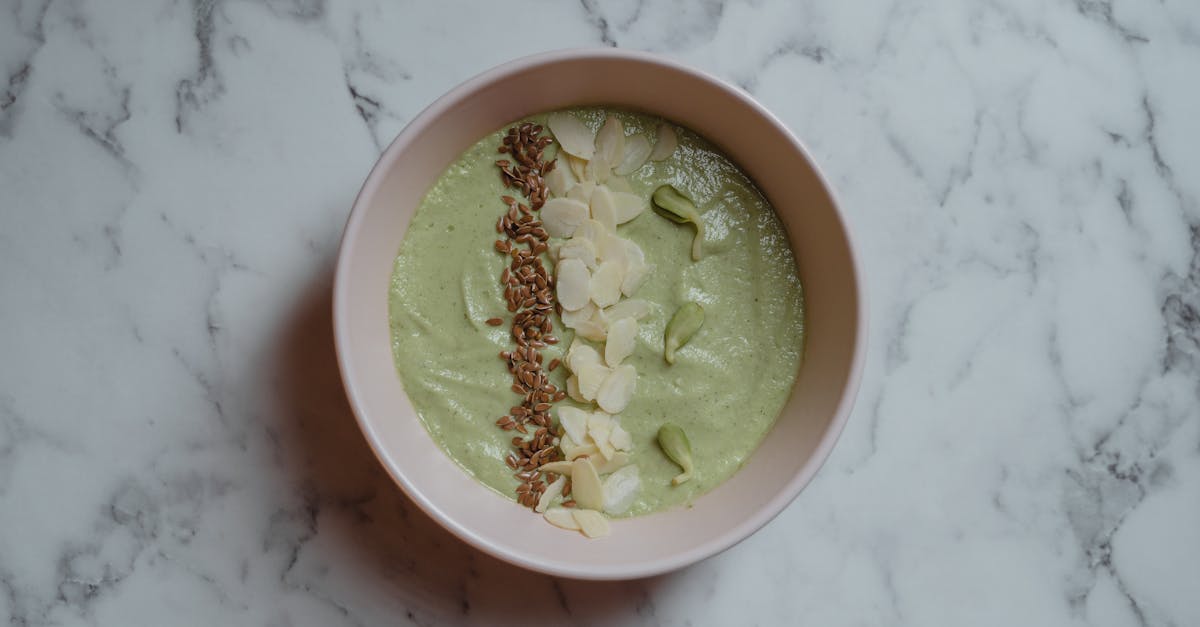
You don’t need supplements to meet magnesium needs if your diet includes 1–2 magnesium-dense foods daily. Here’s what that looks like in practice:
For a woman (31+, needs 320 mg/day):
- Breakfast: Oatmeal with ¼ cup pumpkin seeds stirred in = ~140 mg
- Lunch: Spinach salad with a handful of almonds = ~90 mg
- Dinner: Baked salmon with roasted broccoli = ~75 mg
- Total: ~305 mg (95% of RDA)
For a man (31+, needs 420 mg/day):
- Breakfast: 2 slices whole wheat toast with 2 tbsp almond butter = ~110 mg
- Lunch: Black bean burrito bowl topped with 1 oz pumpkin seeds = ~240 mg
- Snack: Handful of almonds = ~76 mg
- Total: ~426 mg (101% of RDA)
The math is achievable. What most people lack isn’t access to magnesium-rich foods — it’s awareness of which foods deliver enough to matter and how much constitutes a serving.
The bioavailability angle: why whole foods beat most supplements
Not all magnesium sources are absorbed equally. Magnesium in forms bound to organic acids — citrate, aspartate, lactate, and chloride — shows higher bioavailability than magnesium oxide, the form commonly found in drugstore multivitamins and used as a laxative. Magnesium citrate, glycinate, and malate forms, often used in targeted supplements, are generally absorbed more readily.
But chemical form isn’t the only factor. Absorption also depends on your gut health, age, and what else is on your plate. High doses of magnesium taken at once — especially on an empty stomach — can overwhelm absorption pathways and cause diarrhea. Your intestines can only process so much magnesium at a time; the rest passes through unabsorbed.
Foods like pumpkin seeds deliver magnesium alongside protein, fiber, and fat, which slow digestion and allow for steadier, more complete absorption throughout the day. This is why whole-food sources are generally preferred over high-dose supplements unless you have a documented deficiency or malabsorption issue. Spinach and chard are high in magnesium but also contain oxalates, compounds that bind minerals and reduce absorption. Pumpkin seeds are low in oxalates, which is a modest but real advantage.
What happens when you roast pumpkin seeds

Most people buy roasted pumpkin seeds, not raw. Roasting at typical temperatures (300–350°F for 10–20 minutes) causes minimal magnesium loss — magnesium is a mineral, not a vitamin, so it doesn’t degrade with heat. According to USDA data, roasted pumpkin seeds contain 550–590 mg magnesium per 100g, compared to 592 mg in raw seeds — a difference within measurement error.
The bigger variable is added salt or oil, which doesn’t affect magnesium content but does add sodium or calories. Nutritionally, raw and roasted pumpkin seeds are comparable for magnesium.
Raw pumpkin seeds do contain phytic acid, an antinutrient that binds minerals and can reduce absorption. Soaking seeds overnight and roasting them reduces phytic acid content, though the effect on magnesium absorption specifically is modest. If you already meet your magnesium needs, phytic acid from a handful of seeds won’t cause deficiency. If you’re relying heavily on seeds to close a gap, soaking and roasting may offer a small edge — but the practical difference is minor compared to simply eating more magnesium-rich foods overall.
What the evidence shows about magnesium for sleep and muscle function
You’ll see magnesium marketed for sleep, stress, and muscle cramps. Here’s what the research actually supports:
Sleep: Magnesium plays a role in regulating GABA, an inhibitory neurotransmitter, and stabilizing melatonin rhythms. Randomized controlled trials show modest improvements in sleep quality with magnesium supplementation, with the strongest effects in people with documented low magnesium levels. If you’re already meeting your RDA, don’t expect dramatic sleep changes from adding pumpkin seeds alone. A 2012 study in elderly adults with primary insomnia showed benefit, but the intervention used magnesium supplements at therapeutic doses (500 mg/day), not dietary intake.
Muscle cramps and recovery: Magnesium is essential for muscle contraction and relaxation. If you’re deficient, supplementation genuinely helps reduce cramps. But for people with normal magnesium status — including most athletes — the evidence for supplementation improving performance or reducing cramps is weaker. Leg cramps have multiple causes: dehydration, electrolyte imbalance, exertion. Magnesium is one piece, not a cure-all.
Stress: Some animal studies and small human trials suggest magnesium may dampen the stress response by modulating the HPA axis and supporting GABA pathways. The evidence is emerging, not settled. Don’t treat magnesium as a substitute for stress management strategies with stronger backing.
Medications that interact with magnesium
Magnesium can interfere with several medications, and some medications reduce magnesium levels. If you’re on any of the following, talk to your doctor before increasing magnesium intake significantly or starting supplements:
- Proton pump inhibitors (PPIs) like omeprazole — long-term use reduces magnesium absorption.
- Bisphosphonates (osteoporosis medications) — should be taken at least two hours apart from magnesium to avoid reduced effectiveness.
- Fluoroquinolone antibiotics — magnesium can reduce their absorption; separate doses by several hours.
- Diuretics — some types increase magnesium loss through urine.
This is not medical advice. If you take medications regularly, check with your provider.
Common questions
How much magnesium is too much?
From food alone, you can’t realistically consume too much — your kidneys excrete excess. From supplements, doses above 350 mg/day (the tolerable upper intake level for supplemental magnesium) can cause diarrhea, nausea, and abdominal cramping. Very high doses — over 1,000 mg/day — can lead to irregular heartbeat and low blood pressure, though this is rare and usually seen only with supplement misuse.
Can I just take a magnesium supplement instead of eating pumpkin seeds?
You can, but whole foods offer co-nutrients — zinc, iron, protein, fiber, healthy fats — that supplements don’t. If you have documented low magnesium or a condition that impairs absorption, a supplement prescribed or recommended by your doctor may be necessary. For most people meeting general needs, food is a better first line.
Are there other benefits to eating pumpkin seeds?
Yes. Pumpkin seeds are a good source of zinc, iron, and plant-based protein. They contain antioxidants and healthy fats. But this article focuses on magnesium specifically — other nutrients deserve their own examination.
A small handful of pumpkin seeds is one of the simplest, most magnesium-dense additions you can make to your routine. They’re not a miracle food, but if you’re looking to meet your daily magnesium needs without supplements or elaborate meal plans, they’re one of the most efficient whole-food tools available.
This article is for general information only and is not a substitute for professional medical advice. If you take medications, have a digestive condition, are pregnant, or have concerns about your magnesium status, consult your healthcare provider before making dietary changes.