
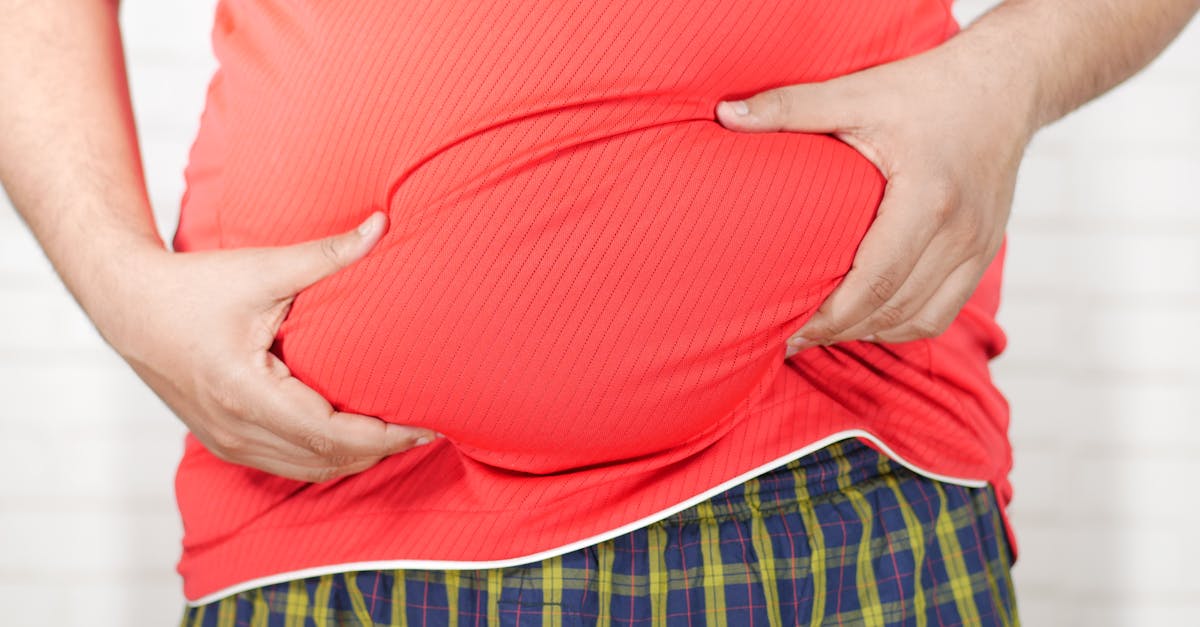
Most bloating has nothing to do with your lymphatic system. Gas from certain foods, constipation, food intolerances, and hormonal shifts account for the majority of that tight, swollen feeling around your midsection. The lymphatic system—a network that drains fluid and supports digestion—does play a role in fluid balance, but true lymphatic dysfunction is rare in otherwise healthy people.
That said, gentle movement, hydration, and specific techniques can support lymphatic circulation and reduce puffiness when fluid retention is part of the picture. Here’s what the evidence actually supports, how often to do it, and when bloating warrants a doctor’s visit.
What the lymphatic system does (and doesn’t do) for bloating
Your lymphatic system moves interstitial fluid back into your bloodstream and absorbs dietary fats through small vessels in your intestines. Unlike your circulatory system, it has no pump—it relies on muscle contraction, breathing, and one-way valves to keep fluid moving. When you’re sedentary or dehydrated, this flow slows, and fluid can accumulate, contributing to abdominal puffiness.
But the American College of Gastroenterology notes that the vast majority of chronic bloating stems from digestive causes, not lymphatic sluggishness. The most common culprits include:
- Irritable bowel syndrome (IBS): Affects a significant portion of the population and causes gas, bloating, and altered bowel habits
- Food intolerances: Lactose, fructose, and gluten sensitivity trigger bloating in susceptible individuals
- Gas-producing foods: Beans, cruciferous vegetables, and carbonated drinks increase intestinal gas
- Eating habits: Swallowing air while eating quickly, chewing gum, or drinking through straws
Clinical lymphatic dysfunction (lymphedema) typically occurs after surgery, radiation, or in rare genetic conditions, not from everyday diet or stress. If you’re treating bloating as a lymphatic problem without addressing these digestive triggers, you’re likely missing the root cause.
Hormonal bloating: a distinct pattern
Hormonal fluctuations during the menstrual cycle create a different bloating mechanism. Mayo Clinic notes that during the luteal phase—the second half of the cycle after ovulation—estrogen and progesterone changes cause fluid retention and intestinal symptoms. Many women experience several pounds of temporary weight gain and abdominal swelling that resolves once menstruation begins.
This hormonal bloating differs from the gas-based bloating caused by food triggers. Hormonal fluid retention may respond better to lymphatic support techniques like movement and elevation, while gas bloating requires dietary changes and improved eating habits. Tracking your cycle alongside bloating patterns can help distinguish which mechanism is at play.
Techniques that support lymphatic flow and reduce fluid-related bloating
Movement: the most effective approach
Aerobic exercise increases lymphatic circulation through muscle contraction. The CDC recommends at least 150 minutes of moderate-intensity activity weekly (such as brisk walking, cycling, or swimming). This frequency not only aids lymphatic flow but also improves digestive transit, addressing bloating from multiple angles.
Regular physical activity has been shown to reduce symptoms in people with digestive disorders and support overall fluid balance. Even short daily walks can make a measurable difference if done consistently.
Rebounding (jumping on a mini-trampoline) creates an up-down pump effect that may move lymph fluid. Short sessions several times per week is a practical starting point for those interested in trying this technique, though dedicated research on efficacy is limited.
Yoga and inversion: Poses like legs-up-the-wall, downward dog, and gentle twists reposition your organs and use gravity to assist fluid drainage. Many people report feeling less puffy after practicing these poses regularly, though large-scale studies are lacking. Try regular sessions if this appeals to you, and track whether your bloating improves over several weeks.
Hydration: necessary but not magic
Dehydration slows lymphatic drainage because the system needs adequate fluid to move lymph. Aim for enough water that your urine remains pale yellow throughout the day—this varies by body size, climate, and activity level.
Spread your intake throughout the day. Drinking large volumes at once can temporarily worsen bloating, even as it supports long-term fluid balance.
Manual lymphatic drainage (MLD): when professional help is warranted
Manual lymphatic drainage is a specialized massage technique performed by certified therapists (look for LANA or EINPL credentials). Research reviewed by Cochrane has found MLD reduces swelling substantially in post-surgical lymphedema when combined with compression garments.
For general bloating unrelated to surgery or medical conditions, evidence is limited. Some people report temporary reduced puffiness after a session, but there are no long-term studies confirming sustained benefit. If you pursue this route, discuss an appropriate treatment plan with a certified therapist.
Home techniques marketed as “self-lymphatic drainage” lack robust evidence of effectiveness. The pressure, direction, and sequencing required for true MLD are difficult to replicate without training.
What doesn’t work: dry brushing
Dry brushing—stroking the skin with a natural-bristle brush—is often promoted for lymphatic drainage. Research does not support the claim that it meaningfully increases lymphatic clearance. It may feel pleasant and exfoliate dead skin, but it’s not a lymphatic intervention. Don’t mistake the ritual for the result.
Elevation and compression: supportive, not primary
Elevating your legs (legs-up-the-wall pose for 10 to 15 minutes daily) uses gravity to assist fluid return toward the heart. Compression garments (15 to 20 mmHg) are evidence-backed for post-surgical swelling or mild lymphedema but are typically unnecessary for general bloating.
Dietary support for digestive wellness and inflammation

No food “drains” the lymphatic system, but an anti-inflammatory diet can reduce gut irritation that contributes to bloating. Fatty fish (rich in omega-3s), leafy greens, and berries support digestive health indirectly.
If you bloat after meals, consider limiting high-FODMAP foods (onions, garlic, wheat, certain fruits) and carbonated drinks. These trigger gas production in sensitive individuals. The National Institute of Diabetes and Digestive and Kidney Diseases notes that dietary changes are a first-line approach for managing IBS-related bloating, though bloating from fatty meals is usually about delayed gastric emptying, not lymph flow.
How long until you see results
Movement and hydration can reduce puffiness within days, especially if your bloating has a fluid-retention component. Consistency matters—regular walking will show more sustained improvement than sporadic effort.
Manual lymphatic drainage shows temporary effects, but any lasting change requires addressing the root cause of bloating, whether that’s a food trigger, hormone cycle, or digestive condition.
When to see a doctor

Bloating is common, but certain patterns warrant professional evaluation. See a doctor if:
- Bloating persists for more than two weeks without improvement
- It’s accompanied by pain that limits daily activities
- You notice unexplained weight gain or weight loss
- You have changes in bowel habits (new constipation, diarrhea, or alternating patterns)
- Bloating appears suddenly and is severe
- You notice asymmetrical swelling in one leg or arm (possible lymphedema or venous issue)
- You have a history of cancer treatment or abdominal surgery (higher lymphedema risk)
- Specific foods consistently trigger severe bloating (possible food intolerance, celiac disease, or IBS)
Mayo Clinic emphasizes that persistent symptoms deserve clinical diagnosis. True lymphatic dysfunction often presents with other symptoms beyond bloating—persistent swelling, skin changes, or heaviness in limbs.
What this all means for you
Supporting your lymphatic system won’t cure bloating, but movement, hydration, and (occasionally) professional massage can reduce fluid-related puffiness. Most bloating, though, comes from what and how you eat, hormonal shifts, or gut sensitivity. If you’ve been treating “sluggish lymph” without results, it’s worth investigating food triggers, eating pace, and stress with a gastroenterologist or registered dietitian.
The techniques here are low-risk and often feel good. Just don’t mistake a supportive habit for a diagnosis or a cure. Your body’s signals—especially persistent, painful, or worsening bloating—deserve professional attention, not just another wellness routine.
For related guidance on posture’s effect on diaphragmatic breathing and lymphatic flow, see posture correction and neck pain prevention. If you’re recovering from illness and curious about lymphatic support for immune function, how to recover faster from illness covers that angle.
This article is for general information only and is not a substitute for professional medical advice, diagnosis, or treatment. Always seek the advice of your physician or other qualified health provider with any questions you may have regarding a medical condition.